Abdomen
The abdomen is a vital region of the human body, situated between the thorax (chest) and the pelvis. It houses numerous essential organs responsible for digestion, excretion, and reproduction, making it a critical area for overall bodily function and health.
Key Takeaways
- The abdomen is the central part of the torso, containing most digestive and excretory organs.
- It is protected by abdominal muscles and the rib cage, and its primary role involves processing food and waste.
- Key organs include the stomach, intestines, liver, pancreas, kidneys, and spleen.
- Abdominal functions range from nutrient absorption to waste filtration and hormone production.
- Common issues like pain, indigestion, and inflammation frequently originate in this region.
What is the Abdomen: Anatomy and Key Organs
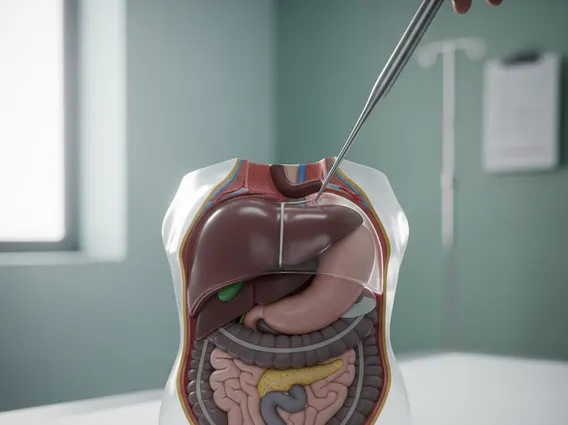
The abdomen refers to the large cavity in the trunk of the human body, located inferior to the diaphragm and superior to the pelvic brim. It is a flexible, dynamic space that accommodates significant changes in organ size and position, particularly during digestion and pregnancy. This region is primarily protected by layers of muscle in the anterior and lateral walls, and by the vertebral column posteriorly, rather than by a rigid bony structure like the chest. The strong abdominal muscles provide support and allow for movements like bending and twisting.
Understanding abdomen anatomy and function is crucial for comprehending human physiology. The abdominal cavity is lined by a serous membrane called the peritoneum, which also covers most of the abdominal organs, reducing friction as they move. This intricate arrangement ensures that organs can operate smoothly within the confined space, facilitating processes like peristalsis in the intestines. The abdominal wall itself is composed of skin, fascia, and several layers of muscle, providing both protection and flexibility.
The organs located in the abdomen are diverse and play interconnected roles in maintaining health. These include:
- Digestive Organs: Stomach, small intestine, large intestine (colon), liver, gallbladder, pancreas. These are central to breaking down food, absorbing nutrients, and forming waste.
- Excretory Organs: Kidneys, ureters, bladder (partially in the pelvis but often considered with abdominal organs). These filter blood and manage fluid balance.
- Other Vital Organs: Spleen (involved in immune function and blood filtration), adrenal glands (produce hormones).
Each of these organs contributes uniquely to the body’s metabolic processes, from breaking down food and absorbing nutrients to filtering blood and producing hormones, all working in concert to maintain homeostasis.
Abdomen Function and Common Problems
The collective functions of the organs within the abdomen are extensive and indispensable for life. The digestive system, for instance, processes food, extracts nutrients, and eliminates waste. The liver performs hundreds of metabolic functions, including detoxification, nutrient storage, and bile production, while the pancreas produces digestive enzymes and hormones like insulin, critical for blood sugar regulation. The kidneys filter waste products from the blood, maintaining fluid and electrolyte balance, which is vital for overall cellular function.
Despite its robust design, the abdomen is susceptible to a wide array of conditions, leading to common abdomen problems. Abdominal pain is one of the most frequent reasons for medical consultation, ranging from mild discomfort to severe, life-threatening conditions. According to a study published in the journal Gastroenterology, approximately 15-20% of adults experience chronic abdominal pain at some point in their lives, often linked to functional gastrointestinal disorders (FGIDs) like irritable bowel syndrome (IBS). These conditions can significantly impact quality of life and productivity.
Other prevalent issues include:
- Digestive Disorders: Indigestion, heartburn, gastritis, ulcers, inflammatory bowel disease (Crohn’s disease, ulcerative colitis), which disrupt nutrient absorption and comfort.
- Organ-Specific Conditions: Gallstones, appendicitis, pancreatitis, kidney stones, liver disease (e.g., hepatitis, cirrhosis), each affecting the specific organ’s ability to perform its vital roles.
- Infections: Gastroenteritis (stomach flu), urinary tract infections (UTIs), which can cause acute pain and systemic symptoms.
- Hernias: Protrusion of an organ or tissue through a weak spot in the abdominal wall, often requiring surgical intervention.
Many of these conditions can manifest with symptoms such as pain, bloating, nausea, vomiting, diarrhea, or constipation. Early diagnosis and appropriate medical intervention are crucial for managing these problems effectively, preventing potential complications, and ensuring long-term health outcomes. Consulting a healthcare professional for persistent or severe abdominal symptoms is always recommended.