Pulse Oximeters
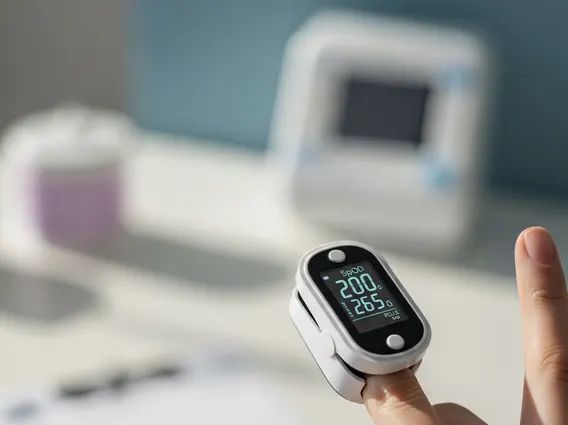
Pulse oximeters are non-invasive medical devices designed to monitor the oxygen saturation level in a person’s blood, as well as their pulse rate. These small, portable devices have become increasingly common in both clinical settings and home use, offering a quick and easy way to assess respiratory and circulatory function.
Key Takeaways
- Pulse oximeters measure blood oxygen saturation (SpO2) and pulse rate non-invasively.
- They work by emitting light through a body part, typically a fingertip, and detecting how much oxygenated versus deoxygenated blood absorbs the light.
- A pulse oximeter normal range is typically 95-100% SpO2, though this can vary for individuals with certain medical conditions.
- For accurate readings, ensure proper device placement, avoid nail polish, and remain still.
- While beneficial for monitoring, these devices have limitations and should not replace professional medical advice.
What Are Pulse Oximeters and How They Work
A pulse oximeter is a small, clip-like device that typically attaches to a fingertip, earlobe, or toe. Its primary function is to measure the oxygen saturation of hemoglobin in arterial blood, expressed as SpO2 (peripheral oxygen saturation), and to provide a corresponding pulse rate. This non-invasive method offers a crucial insight into how effectively oxygen is being transported throughout the body, making it an invaluable tool in various medical scenarios.
So, how do pulse oximeters measure oxygen? The device operates on the principle of spectrophotometry. It emits two different wavelengths of light—red and infrared—through the tissue. Oxygenated hemoglobin (oxyhemoglobin) absorbs more infrared light and allows more red light to pass through, while deoxygenated hemoglobin (deoxyhemoglobin) absorbs more red light and allows more infrared light to pass. A photodetector on the other side of the tissue measures the amount of light that passes through. By analyzing the absorption patterns of these light wavelengths, the pulse oximeter calculates the percentage of hemoglobin that is saturated with oxygen. The pulsatile nature of arterial blood flow allows the device to differentiate between arterial blood and other tissues, providing an accurate SpO2 reading and simultaneously detecting the pulse rate.
What are pulse oximeters used for? They are utilized in a wide array of settings, from hospitals and clinics to home care. In clinical environments, they are essential for monitoring patients during surgery, in intensive care units, and for those with respiratory conditions like asthma, COPD, or pneumonia. At home, individuals with chronic respiratory or cardiac conditions might use them to track their oxygen levels, helping them and their healthcare providers manage their health more effectively. They can also be used during exercise to monitor physiological responses or for screening purposes in certain health assessments. According to the World Health Organization (WHO), pulse oximetry is a critical tool for early detection of hypoxemia, particularly in low-resource settings, where it can significantly reduce mortality rates from conditions like pneumonia in children.
Understanding Your Pulse Oximeter Readings
Understanding pulse oximeter readings is crucial for interpreting the information provided by the device. The two main readings displayed are SpO2 (blood oxygen saturation) and pulse rate (heart rate). SpO2 is presented as a percentage, indicating how much oxygen the red blood cells are carrying compared to their full capacity. The pulse rate is typically shown in beats per minute (bpm). Both readings offer vital clues about a person’s respiratory and cardiovascular health.
For most healthy individuals, the pulse oximeter normal range explained is an SpO2 reading between 95% and 100%. Readings consistently below 95% may indicate hypoxemia, a condition where oxygen levels in the blood are lower than normal. However, it’s important to note that what is considered “normal” can vary based on individual health conditions. For example, individuals with chronic lung diseases like COPD might have a baseline SpO2 that is slightly lower, perhaps in the low 90s, which is considered acceptable for them. A reading below 90% is generally considered a medical emergency and requires immediate attention. The pulse rate, on the other hand, typically falls within 60-100 bpm for adults at rest. Significant deviations from these ranges, either too high or too low, can also signal underlying health issues.
Interpreting these readings should always be done in context with a person’s overall health, symptoms, and medical history. A single low reading might not be cause for alarm if it quickly returns to normal, but persistent low readings or readings accompanied by symptoms like shortness of breath, dizziness, or confusion warrant medical consultation. It is essential not to self-diagnose based solely on pulse oximeters readings but to use them as a monitoring tool to share with a healthcare professional.
Accuracy and Best Practices for Use
The accuracy of home pulse oximeters can vary, but modern devices are generally reliable when used correctly. Factors such as device quality, user technique, and individual physiological conditions can all influence the precision of the readings. While hospital-grade oximeters undergo rigorous calibration and testing, consumer-grade devices can still provide valuable insights for personal monitoring. However, it’s important to be aware of potential sources of error to ensure the most accurate results possible.
Adhering to best practices for using a pulse oximeter is paramount to obtaining reliable measurements. Incorrect placement, movement, or external factors can lead to inaccurate readings, potentially causing unnecessary alarm or a false sense of security. Always ensure the device is properly positioned on a clean, warm finger (or other designated body part) and that the user remains still during the measurement. Understanding these nuances helps maximize the utility of these devices for health monitoring.
Factors Affecting Accuracy
Several factors can impact the accuracy of a pulse oximeter reading, leading to either falsely high or falsely low SpO2 values. Awareness of these can help users troubleshoot potential issues and ensure more reliable data for understanding pulse oximeter readings.
- Nail Polish and Artificial Nails: Dark nail polish, especially black, blue, or green, and artificial nails can block the light emitted by the oximeter, leading to falsely low readings. It’s best to remove them from the finger being used.
- Poor Circulation: Cold hands, hypotension (low blood pressure), or peripheral vascular disease can reduce blood flow to the extremities, making it difficult for the oximeter to detect a strong pulsatile signal, resulting in inaccurate or no readings.
- Movement: Any movement during the measurement can interfere with the light absorption and detection, causing erratic or incorrect readings. Remaining still is crucial.
- Skin Pigmentation: Studies have shown that individuals with darker skin pigmentation may sometimes have falsely elevated SpO2 readings on some pulse oximeters, potentially masking true hypoxemia. This is an area of ongoing research and device improvement.
- Anemia: Severe anemia can lead to falsely high SpO2 readings because the oximeter measures the percentage of oxygenated hemoglobin, not the total amount of hemoglobin available.
- Carbon Monoxide Poisoning: Carbon monoxide binds to hemoglobin much more readily than oxygen, forming carboxyhemoglobin. A conventional pulse oximeter cannot differentiate between oxyhemoglobin and carboxyhemoglobin, leading to falsely high SpO2 readings despite severe oxygen deprivation.
Tips for Reliable Readings
To ensure you get the most accurate and consistent readings from your pulse oximeter, follow these practical guidelines. These tips are part of the best practices for using a pulse oximeter and can significantly improve the reliability of your home monitoring efforts.
- Prepare the Finger: Ensure the finger is clean, warm, and free of nail polish or artificial nails. Use the middle or index finger for best results.
- Rest and Be Still: Sit calmly and avoid movement during the measurement. Movement can disrupt the signal and lead to inaccurate readings.
- Proper Placement: Place the oximeter securely on the finger, ensuring the finger is fully inserted and the sensor is aligned correctly. Do not squeeze the finger too tightly.
- Wait for Stability: Allow the device a few seconds to stabilize and display a consistent reading. Don’t take the first number you see as the final result.
- Check Battery Life: A low battery can affect device performance. Ensure your oximeter has sufficient power.
- Avoid Bright Light: Strong ambient light, such as direct sunlight or bright overhead lights, can interfere with the sensor. Try to take readings in a moderately lit environment.
- Consult the Manual: Always refer to the manufacturer’s instructions for your specific device, as there might be unique recommendations.
Benefits and Limitations of Pulse Oximetry
The widespread adoption of pulse oximeters highlights their significant utility in health monitoring, offering numerous pulse oximeter benefits and limitations that users should be aware of. One of the primary benefits is its non-invasive nature, allowing for continuous or intermittent monitoring without discomfort or risk to the patient. It provides immediate, real-time data on oxygen saturation and pulse rate, which can be critical for early detection of respiratory distress or cardiovascular issues. For individuals with chronic conditions like COPD, asthma, or heart failure, it offers a convenient way to track their condition at home, empowering them to manage their health proactively and communicate effectively with their healthcare providers. Its portability and ease of use also make it accessible for a broad range of users, from healthcare professionals to general consumers.
Despite these advantages, pulse oximeters also have limitations. As discussed, factors like nail polish, poor circulation, movement, and skin pigmentation can affect accuracy. The device measures oxygen saturation, not oxygen content, meaning it can give a falsely normal reading in conditions like severe anemia or carbon monoxide poisoning, where the blood may not be carrying enough oxygen overall, even if the available hemoglobin is saturated. Furthermore, while it indicates oxygen levels, it doesn’t provide information about ventilation (how well air is moving in and out of the lungs) or carbon dioxide levels, which are also crucial aspects of respiratory function. It’s a diagnostic aid, not a definitive diagnostic tool on its own. Therefore, it should always be used as part of a broader health assessment and in conjunction with professional medical advice, especially when interpreting abnormal readings or experiencing symptoms.
Frequently Asked Questions
What is considered a dangerously low oxygen level?
For most healthy individuals, an SpO2 reading below 90% is generally considered dangerously low and warrants immediate medical attention. This level indicates significant hypoxemia, meaning the body’s tissues are not receiving enough oxygen. However, for individuals with chronic lung diseases, a slightly lower baseline (e.g., low 90s) might be acceptable, but any reading significantly below their established normal range should be reported to a healthcare provider.
Can a pulse oximeter detect all breathing problems?
No, a pulse oximeter primarily measures blood oxygen saturation and pulse rate. While it can detect low oxygen levels associated with many breathing problems, it cannot diagnose the underlying cause of respiratory distress or detect all types of breathing issues. For example, it doesn’t measure carbon dioxide levels or provide information about ventilation mechanics. It’s a valuable screening tool but should not replace a comprehensive medical evaluation for diagnosing respiratory conditions.
How often should I check my oxygen levels with a pulse oximeter?
The frequency of checking oxygen levels with a pulse oximeter depends on your individual health condition and your doctor’s recommendations. For general wellness, occasional checks might suffice. If you have a chronic respiratory or cardiac condition, your doctor might advise daily monitoring or during symptom flare-ups. Always follow your healthcare provider’s specific instructions regarding monitoring frequency and when to seek medical advice based on your readings.