Hepatitis A Vaccine
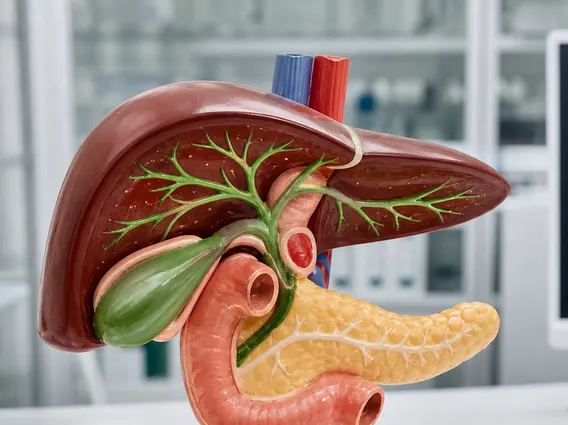
The Hepatitis A vaccine is a crucial tool in preventing infection from the highly contagious Hepatitis A virus (HAV), which primarily affects the liver. This vaccine offers effective protection against a disease that can range from mild to severe, potentially leading to liver failure in rare cases.

Key Takeaways
- The Hepatitis A vaccine is an inactivated viral vaccine that provides strong immunity against the Hepatitis A virus.
- Vaccination is recommended for specific risk groups, including travelers to high-risk areas, individuals with chronic liver disease, and certain occupational exposures.
- Key Hepatitis A vaccine benefits include preventing severe liver illness, reducing disease transmission, and contributing to public health.
- Common Hepatitis A vaccine side effects are generally mild and temporary, such as soreness at the injection site or headache.
- The vaccine is highly effective, with nearly 100% protection after completing the recommended two-dose series.
What is the Hepatitis A Vaccine?
The what is Hepatitis A Vaccine question is central to understanding its role in public health. It is an inactivated (killed) viral vaccine designed to protect against infection by the Hepatitis A virus (HAV). This vaccine works by introducing a non-infectious form of the virus to the immune system, prompting the body to produce antibodies without causing the disease. This process builds immunity, so if an individual is later exposed to the live HAV, their immune system can quickly recognize and neutralize the virus, preventing illness.
Administered typically as a two-dose series, with the second dose given 6 to 18 months after the first, the vaccine provides long-lasting protection. According to the Centers for Disease Control and Prevention (CDC), the Hepatitis A vaccine is highly effective, offering nearly 100% protection against the virus after completing the full series. This high efficacy makes it a vital component of global disease prevention strategies, significantly reducing the incidence of Hepatitis A infections worldwide. Further Hepatitis A vaccine information emphasizes its safety profile and its importance in preventing outbreaks.
Who Should Get the Hepatitis A Vaccine?
Understanding Who needs Hepatitis A vaccine is crucial for effective public health. While universal childhood vaccination is recommended in many countries, including the United States, specific adult populations are also advised to receive the vaccine due to increased risk of exposure or severe outcomes. The CDC recommends vaccination for the following groups:
- Travelers: Individuals traveling to countries where Hepatitis A is common.
- Children: All children aged 1 year and older.
- Men who have sex with men: Due to higher risk of transmission.
- Illicit drug users: Both injecting and non-injecting drug users.
- Individuals with chronic liver disease: Such as those with Hepatitis B or C, cirrhosis, or fatty liver disease, as Hepatitis A can exacerbate their condition.
- People with clotting factor disorders: Who receive clotting factor concentrates.
- Individuals with occupational risk: Such as those working with HAV-infected primates or in HAV research laboratories.
- Homeless individuals: Due to potential exposure risks in their living conditions.
- Close contacts: Of international adoptees from countries with high or intermediate HAV endemicity.
Consultation with a healthcare provider can help determine if vaccination is appropriate based on individual risk factors and travel plans.
Benefits and Potential Side Effects
The Hepatitis A vaccine benefits are substantial, primarily revolving around the prevention of a potentially severe liver infection. By preventing Hepatitis A, the vaccine helps individuals avoid symptoms such as fatigue, nausea, abdominal pain, dark urine, and jaundice, which can last for several weeks or even months. For some, particularly older adults or those with underlying liver conditions, Hepatitis A can lead to serious complications, including acute liver failure, although this is rare. Widespread vaccination also contributes significantly to public health by reducing the overall incidence of the disease and preventing outbreaks, especially in communities and institutions.
Like all vaccines, the Hepatitis A vaccine can cause Hepatitis A vaccine side effects, though they are generally mild and temporary. The most common side effects include soreness, redness, or swelling at the injection site. Other less common but mild side effects may include a low-grade fever, headache, or fatigue. Serious allergic reactions are extremely rare but can occur, as with any vaccine. Healthcare providers typically advise patients to wait for a short period after vaccination to monitor for any immediate reactions. The benefits of vaccination in preventing Hepatitis A infection far outweigh the minimal risks associated with these mild side effects.