Contrast Material
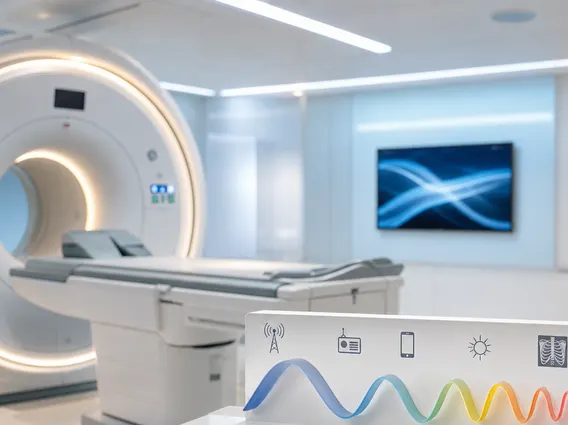
Contrast materials are crucial in modern diagnostic imaging, enhancing the visibility of internal body structures. They play a vital role in helping medical professionals accurately diagnose various conditions.
Key Takeaways
- Contrast materials improve the clarity of internal body structures in medical images.
- They work by temporarily altering how X-rays, magnetic fields, or sound waves interact with tissues.
- Common uses include diagnosing issues in blood vessels, organs, and soft tissues.
- Different types of contrast material imaging are used for specific modalities like X-ray, MRI, and ultrasound.
- While generally safe, potential side effects of contrast material range from mild reactions to rare severe allergic responses.
What is Contrast Material?
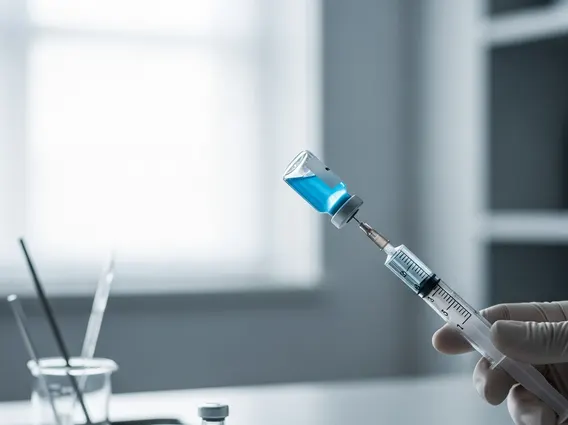
Contrast material, also known as contrast agents, are substances used to improve the visibility of specific organs, blood vessels, or tissues during medical imaging procedures. By temporarily changing how X-rays, magnetic fields, or sound waves interact with the body, these agents help create clearer, more detailed images that would otherwise be difficult to see. This enhanced visualization is essential for accurate diagnosis and treatment planning, addressing the fundamental question of what is Contrast Material.
How Contrast Agents Work
The mechanism of how does contrast material work depends on the type of agent and the imaging modality. For X-ray and CT scans, iodine-based or barium-sulfate agents are commonly used. Iodine absorbs X-rays, making blood vessels and organs appear brighter on the images. Barium sulfate, typically ingested, coats the lining of the gastrointestinal tract, making it visible. For MRI, gadolinium-based agents are used; these substances alter the magnetic properties of water molecules in the body, leading to enhanced signal intensity in specific tissues. Ultrasound contrast agents consist of tiny gas-filled microbubbles that reflect sound waves, improving the visualization of blood flow and organ perfusion. These agents are designed to be safely processed and eliminated from the body, usually through the kidneys or liver, within a short period.
Uses and Types of Contrast Material Imaging
What is contrast material used for encompasses a wide range of diagnostic applications across various medical specialties. They are invaluable for detecting tumors, inflammation, blockages, and other abnormalities in organs, blood vessels, and soft tissues. For instance, contrast-enhanced CT scans can reveal details of the brain, lungs, abdomen, and pelvis, aiding in the diagnosis of cancers, infections, and vascular diseases. MRI with contrast is frequently used for detailed imaging of the brain, spine, joints, and soft tissues to identify conditions like multiple sclerosis, herniated discs, and ligament tears.
There are several types of contrast material imaging, each tailored to specific diagnostic needs and imaging technologies:
- Iodine-based Contrast: Primarily used for X-ray and Computed Tomography (CT) scans. Administered intravenously, orally, or rectally, it highlights blood vessels, kidneys, urinary tract, and gastrointestinal tract.
- Barium-sulfate Contrast: Used for X-ray imaging of the gastrointestinal tract (esophagus, stomach, intestines). It is typically ingested or administered rectally.
- Gadolinium-based Contrast: Employed in Magnetic Resonance Imaging (MRI). Administered intravenously, it enhances the visibility of blood vessels, tumors, inflammation, and other lesions in various organs and soft tissues.
- Microbubble Contrast: Used in Ultrasound imaging. Administered intravenously, these tiny gas bubbles enhance the visualization of blood flow in organs like the heart, liver, and kidneys.
Potential Side Effects of Contrast Material
While generally considered safe, it is important to be aware of the side effects of contrast material. The vast majority of patients experience no adverse reactions or only mild, temporary ones. According to a study published in the American Journal of Roentgenology, adverse reactions to iodinated contrast media occur in approximately 0.4% to 3% of patients, with severe reactions being much rarer, occurring in about 0.04% to 0.2% of cases.
Common mild side effects may include:
- A temporary warm sensation or flushing throughout the body.
- Nausea or vomiting.
- Headache.
- Itching or hives.
- Dizziness.
- A metallic taste in the mouth (especially with iodine-based agents).
More serious, though rare, reactions can include severe allergic reactions (anaphylaxis), kidney problems (contrast-induced nephropathy), or effects on the thyroid gland. Patients with pre-existing kidney disease, asthma, allergies, or certain heart conditions may be at higher risk for adverse reactions. Medical staff always monitor patients closely during and after contrast administration to manage any potential reactions promptly. It is crucial for patients to inform their healthcare provider about their medical history, allergies, and current medications before any procedure involving contrast material.