Breast Cyst
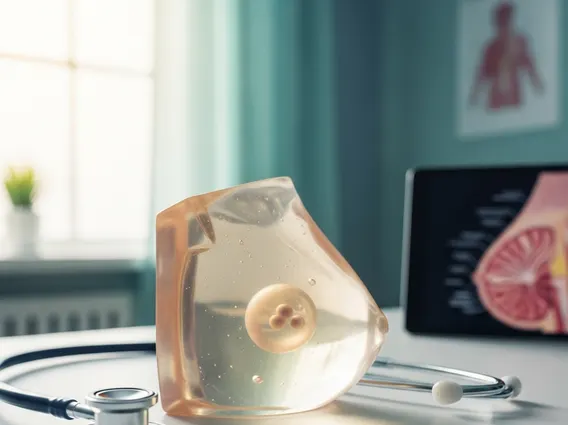
A breast cyst is a common, non-cancerous (benign) fluid-filled sac within the breast tissue. They are frequently found in women between 35 and 50 years old but can occur at any age.
Key Takeaways
- Breast cysts are benign, fluid-filled sacs common in women.
- Symptoms include a smooth, movable lump, tenderness, and sometimes nipple discharge.
- Hormonal fluctuations, especially estrogen, are primary causes.
- Diagnosis involves clinical exam, imaging (ultrasound), and sometimes fine-needle aspiration.
- Treatment ranges from watchful waiting to aspiration, depending on symptoms.
What is a Breast Cyst?
A breast cyst is a fluid-filled sac that develops within the breast tissue. These cysts are almost always benign, meaning they are not cancerous. They can vary in size, from tiny, unnoticeable sacs to larger ones that can be felt easily. Understanding what is a breast cyst is crucial, as they are a very common condition, particularly among women in their reproductive years and approaching menopause. According to the American Cancer Society, benign breast conditions like cysts are far more common than breast cancer, affecting many women.
Symptoms and Causes of Breast Cysts
Recognizing the signs and understanding potential triggers are key to managing this common breast condition. This section details the typical indicators and underlying factors related to breast cyst symptoms and causes for better awareness.
Common Breast Cyst Symptoms
While many small breast cysts may not cause noticeable symptoms, larger cysts can manifest in several ways. Common indicators include:
- A smooth, easily movable round or oval lump with distinct edges, often felt just under the skin.
- Breast pain or tenderness in the area of the lump, which may increase before menstruation.
- An increase in cyst size and tenderness just before the menstrual period.
- Nipple discharge (clear, yellow, or dark brown), though less common.
These symptoms can also be associated with other breast conditions, so medical evaluation is always recommended.
What Causes Breast Cysts?
The exact cause of breast cysts is not fully understood, but they are strongly linked to hormonal fluctuations, particularly estrogen. Excess estrogen can stimulate breast tissue, leading to fluid-filled sac formation. This explains why cysts are most prevalent in women nearing menopause, when hormonal levels can be erratic. Other contributing factors may include:
- Hormonal Imbalance: Fluctuations in estrogen and progesterone throughout the menstrual cycle.
- Duct Blockage: Blockage of milk ducts within the breast, leading to fluid accumulation.
- Fibrocystic Changes: Cysts are often part of broader fibrocystic breast changes, involving lumpy or rope-like breast texture.
Breast Cyst Diagnosis and Treatment
When a breast lump is detected, accurate diagnosis is paramount to differentiate between benign cysts and more serious conditions. This section will cover both how are breast cysts diagnosed and the available breast cyst treatment options.
How Breast Cysts Are Diagnosed
Diagnosing a breast cyst typically involves a combination of methods to confirm its nature and rule out malignancy.
- Clinical Breast Exam: A healthcare provider manually examines the breast to feel for lumps and assess their characteristics.
- Mammogram: For women over 40, a mammogram may be performed, though cysts can be difficult to distinguish from solid masses.
- Breast Ultrasound: This is often the most definitive imaging test, clearly differentiating between fluid-filled cysts and solid masses to confirm a cystic lump.
- Fine-Needle Aspiration (FNA): If ultrasound is inconclusive or the cyst is large and symptomatic, a fine needle draws fluid. Clear, non-bloody fluid and lump disappearance confirm a benign cyst. Bloody fluid or a persistent lump warrants further investigation.
Breast Cyst Treatment Options
Most breast cysts do not require treatment, especially if small, asymptomatic, and confirmed benign. However, for larger or symptomatic cysts, several approaches can be considered:
- Watchful Waiting: For small, asymptomatic cysts, monitoring them over time is often recommended.
- Fine-Needle Aspiration (FNA): This procedure, also diagnostic, can be therapeutic. Draining fluid relieves pain and pressure, and the cyst may disappear, though recurrence is possible.
- Surgical Removal: Rarely necessary, this is typically reserved for persistent, symptomatic cysts unresponsive to aspiration, or if suspicious features are present.
It’s crucial to discuss the best course of action with a healthcare professional, considering individual symptoms and diagnostic findings.