Biochanin A
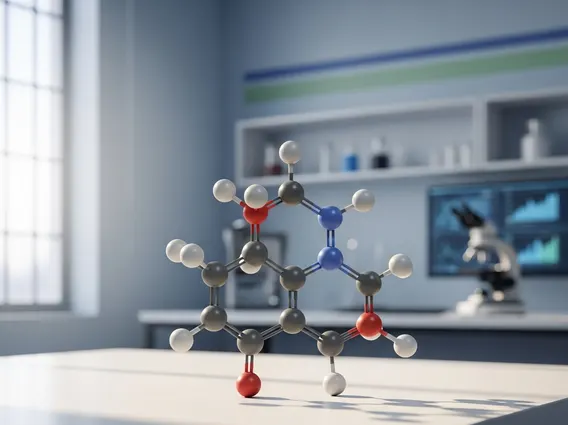
Biochanin A is a naturally occurring isoflavone, a type of flavonoid found in various plants. This compound has garnered significant scientific interest due to its potential biological activities and therapeutic applications.
Key Takeaways
- Biochanin A is a plant-derived isoflavone with diverse biological properties.
- It is naturally found in red clover, chickpeas, and other legumes.
- Research suggests potential benefits including antioxidant and anti-inflammatory effects.
- Ongoing studies are exploring its role in various health areas, from bone health to cellular regulation.
- Its mechanisms of action are linked to its ability to interact with cellular pathways.
What is Biochanin A?
What is Biochanin A? It is an O-methylated isoflavone, a class of naturally occurring compounds predominantly found in plants. As a phytoestrogen, it possesses a chemical structure similar to estrogen, allowing it to interact with estrogen receptors in the body, albeit with weaker effects than endogenous estrogens. This interaction contributes to its diverse biological activities, which have been the subject of extensive scientific investigation. Its presence in the human diet, primarily through plant-based foods, makes it a compound of interest in nutritional science and pharmacology, particularly for its potential role in cellular regulation and health maintenance.
Natural Sources of Biochanin A
Biochanin A is widely distributed in the plant kingdom, making it accessible through various dietary sources. The most prominent sources of Biochanin A include:
- Red Clover (Trifolium pratense): This legume is perhaps the richest known source, often used in herbal supplements.
- Chickpeas (Cicer arietinum): A common legume globally, chickpeas contain notable amounts of Biochanin A.
- Alfalfa (Medicago sativa): Another legume, alfalfa sprouts and leaves are also known to contain this isoflavone.
- Soybeans (Glycine max): While primarily known for genistein and daidzein, soybeans also contain smaller quantities of Biochanin A.
These plant-based foods contribute to the dietary intake of Biochanin A, allowing individuals to consume this compound as part of a balanced diet.
Biochanin A: Health Benefits and Research
The potential Biochanin A health benefits are a significant focus of contemporary scientific inquiry. Research indicates that Biochanin A exhibits a range of biological activities, including antioxidant, anti-inflammatory, and anti-cancer properties. For instance, its antioxidant capacity helps neutralize free radicals, which are implicated in cellular damage and the aging process. A study published in the Journal of Agricultural and Food Chemistry (2012) highlighted Biochanin A’s ability to scavenge free radicals, suggesting its role in mitigating oxidative stress and potentially reducing the risk of chronic diseases associated with oxidative damage.
Furthermore, Biochanin A research studies have explored its potential in various health conditions. In preclinical models, it has shown promise in modulating immune responses and reducing inflammation, which are crucial factors in chronic diseases. Some studies suggest its potential role in bone health, by influencing osteoblast and osteoclast activity, which could be relevant for conditions like osteoporosis. For example, research published in Phytotherapy Research (2015) indicated that Biochanin A might support bone formation and inhibit bone resorption, though human clinical trials are needed to confirm these effects. Its anti-cancer properties are also being investigated, with studies exploring its ability to inhibit cancer cell proliferation, induce apoptosis (programmed cell death), and suppress angiogenesis (new blood vessel formation) in various cancer cell lines. While these findings are promising, it is important to note that much of this research is still in its early stages, primarily conducted in vitro or in animal models. Further rigorous human clinical trials are essential to fully understand and validate the therapeutic potential and safety of Biochanin A for human health.