Biliary System
The biliary system is a vital network of organs and ducts that plays a crucial role in digestion and waste elimination. It is responsible for producing, storing, and transporting bile, a digestive fluid essential for breaking down fats.
Key Takeaways
- The biliary system is a network of organs and ducts that produce, store, and transport bile.
- Key components include the liver, gallbladder, and a complex network of bile ducts.
- Its primary function is to aid fat digestion and facilitate the elimination of waste products from the body.
- Bile is produced by the liver, stored and concentrated in the gallbladder, and released into the small intestine.
- Common diseases include gallstones, inflammation of the gallbladder (cholecystitis), and bile duct obstructions.
What is the Biliary System?
The biliary system is a complex internal drainage system in the human body that facilitates the digestion of fats and the elimination of waste products. It comprises several organs and a network of ducts that work in concert to produce, transport, and regulate the flow of bile. Understanding what is the biliary system is fundamental to comprehending digestive health, as its proper functioning is indispensable for nutrient absorption and detoxification.
Anatomy of the Biliary System
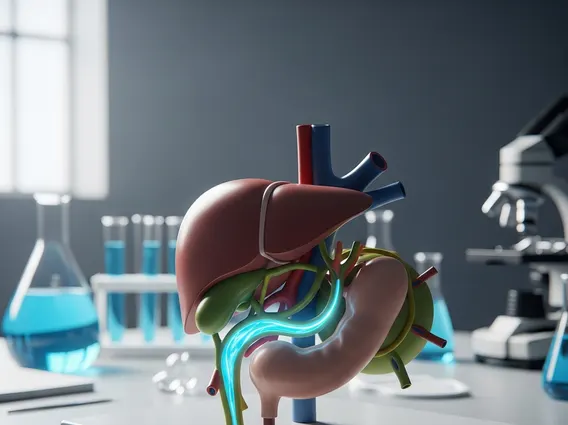
The anatomy of the biliary system involves several key structures. The liver, located in the upper right abdomen, is the largest organ and continuously produces bile. The gallbladder, a small, pear-shaped organ situated beneath the liver, stores and concentrates this bile. A series of ducts, collectively known as the bile ducts, transport bile from the liver and gallbladder to the small intestine. These include the hepatic ducts (left and right), which merge to form the common hepatic duct. This then joins with the cystic duct from the gallbladder to form the common bile duct, which ultimately empties into the duodenum, the first part of the small intestine. The sphincter of Oddi controls the flow of bile and pancreatic juices into the duodenum.
Functions of the Biliary System
The primary biliary system function is multifaceted, centered around the production and delivery of bile. Bile, a yellowish-green fluid, is crucial for digestion, particularly the emulsification of fats in the small intestine. This process breaks down large fat globules into smaller ones, making them easier for digestive enzymes to act upon and absorb. Beyond digestion, the biliary system also plays a vital role in the excretion of waste products from the body, including bilirubin (a byproduct of red blood cell breakdown), cholesterol, and certain toxins. The liver continuously produces bile, which is then stored and concentrated in the gallbladder until it is needed during meals. When fatty foods enter the duodenum, the gallbladder contracts, releasing bile into the common bile duct and then into the small intestine, facilitating efficient digestion and absorption of fat-soluble vitamins.
Common Biliary System Diseases
Several conditions can affect the biliary system, leading to various health issues. Understanding common biliary system diseases is important for early diagnosis and treatment. One of the most prevalent conditions is cholelithiasis, commonly known as gallstones, which are hardened deposits of digestive fluid that can form in the gallbladder. These stones can cause pain, inflammation (cholecystitis), or block the bile ducts, leading to more severe complications like jaundice or pancreatitis. According to the National Institute of Diabetes and Digestive and Kidney Diseases (NIDDK), approximately 10-15% of the adult population in the United States has gallstones, though many remain asymptomatic. Other conditions include cholangitis (inflammation of the bile ducts), bile duct strictures (narrowing of the ducts), and various forms of cancer affecting the liver, gallbladder, or bile ducts. Symptoms often include abdominal pain, nausea, vomiting, fever, and jaundice (yellowing of the skin and eyes). Early detection and medical intervention are crucial for managing these conditions effectively.