Auricular Acupuncture
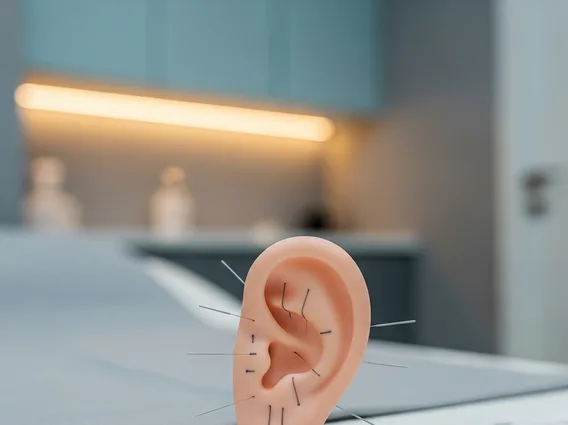
Auricular acupuncture is a specialized form of acupuncture that involves stimulating specific points on the outer ear, known as the auricle. This practice is rooted in the belief that the ear is a microsystem reflecting the entire body.
Key Takeaways
- Auricular acupuncture stimulates points on the ear to influence corresponding body parts and functions.
- It is based on the concept of the ear as a complete map or “microsystem” of the human body.
- Common benefits include pain management, stress reduction, and support for addiction recovery.
- Treatment methods range from fine needles to non-invasive options like seeds or magnets.
- This therapy is often used as a complementary approach to conventional medical treatments.
What is Auricular Acupuncture?
What is auricular acupuncture? It is a therapeutic technique derived from Traditional Chinese Medicine (TCM) that focuses on the ear as a miniature representation of the entire human body. The practice involves stimulating specific points on the ear’s surface to diagnose and treat health conditions in other parts of the body. While its roots are ancient, modern auricular acupuncture gained significant recognition in the 1950s through the work of French physician Dr. Paul Nogier, who mapped the ear based on an inverted fetal representation.
This approach posits that each part of the ear corresponds to a specific organ, limb, or function within the body. By targeting these precise points, practitioners aim to trigger physiological responses that can alleviate symptoms and promote healing throughout the system. The technique is widely used globally, with organizations like the World Health Organization (WHO) acknowledging its potential in various health applications.
How Auricular Acupuncture Works
How does auricular acupuncture work is a question often asked by those new to the therapy. The underlying principle is that the ear acts as a reflex map, with nerve endings that connect to the central nervous system. When an auricular point is stimulated, it sends signals through nerve pathways to the brain, which then relays these signals to the corresponding body part or organ. This intricate connection is partly attributed to the vagus nerve, which has a significant branch innervating the ear and plays a crucial role in regulating various bodily functions.
Stimulation methods vary, including the insertion of fine needles (similar to traditional acupuncture), the application of ear seeds or magnets, or even low-level electrical stimulation. These methods aim to modulate pain signals, influence neurotransmitter release, and promote the body’s natural healing mechanisms. The choice of method often depends on the patient’s condition, preference, and the practitioner’s expertise.
Key Auricular Points Explained
Understanding auricular acupuncture points explained reveals the specificity of this therapy. Each point on the ear is associated with a particular anatomical region or physiological function. Here are a few examples of commonly used points and their general applications:
- Shen Men (Spirit Gate): Located in the triangular fossa, this point is widely used for stress, anxiety, pain, and promoting overall relaxation. It is considered a master point for calming the mind.
- Kidney Point: Situated in the concha, it is often targeted for issues related to hearing, lower back pain, and general vitality, as the kidneys are associated with these functions in TCM.
- Liver Point: Found in the concha, this point is used for conditions related to anger, eye problems, and detoxification, reflecting the liver’s role in TCM.
- Lung Points: Located in the concha, these are frequently stimulated for respiratory issues, skin conditions, and grief, aligning with the lungs’ functions.
- Point Zero: Positioned at the root of the helix, this balancing point helps to normalize energy and organ function throughout the body.
Benefits of Auricular Acupuncture
The auricular acupuncture benefits are diverse and have been explored in various clinical settings. One of its most recognized applications is in pain management. Studies suggest it can be effective in reducing chronic pain, including lower back pain, headaches, and migraines, by modulating pain pathways in the brain. For instance, a review published in the journal Evidence-Based Complementary and Alternative Medicine highlighted its potential in managing various types of pain.
Beyond pain relief, auricular acupuncture is frequently utilized for stress and anxiety reduction. The stimulation of specific points, particularly Shen Men, can induce a calming effect, helping to alleviate symptoms of anxiety, insomnia, and even depression. It has also gained prominence in addiction treatment, notably through the NADA (National Acupuncture Detoxification Association) protocol, which uses five specific ear points to support individuals recovering from substance abuse, reducing withdrawal symptoms and cravings. Furthermore, it is explored for its potential in weight management, digestive issues, and improving overall well-being.
Disclaimer: The information provided in this article is for educational purposes only and is not intended as a substitute for professional medical advice, diagnosis, or treatment. Always seek the advice of your physician or other qualified health provider with any questions you may have regarding a medical condition. As an alternative or complementary therapy, auricular acupuncture should be considered supportive and not a replacement for conventional medical care.