Auditory Brain Stem Response Test
The Auditory Brain Stem Response (ABR) test is a crucial diagnostic tool used to assess the auditory pathway from the ear to the brainstem. It provides objective information about hearing sensitivity and the neurological function of the auditory system.
Key Takeaways
- The ABR test objectively measures how the auditory nerve and brainstem respond to sounds.
- It is non-invasive and often used for infants, young children, or individuals unable to participate in traditional hearing tests.
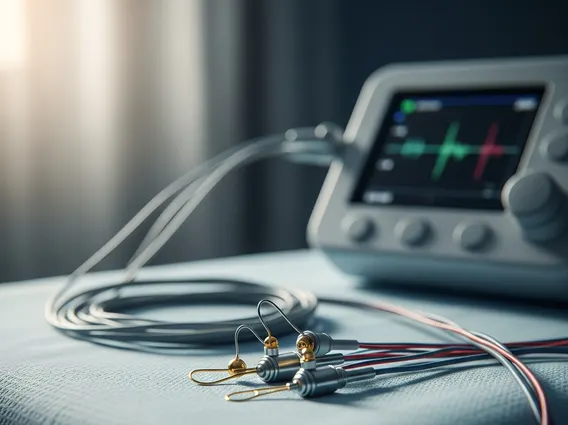
- The procedure involves placing electrodes on the head and delivering soft clicking sounds through earphones.
- Results help diagnose hearing loss and identify potential neurological issues affecting the auditory pathway.
- Preparation typically involves ensuring the patient is calm or asleep to minimize movement artifacts.
What is Auditory Brain Stem Response Test?
The Auditory Brain Stem Response Test, often referred to as an ABR test, is an objective and non-invasive electrophysiological measurement. It evaluates the function of the auditory nerve and brainstem pathways in response to sound. By recording electrical activity generated by the inner ear and auditory nerve as sound travels to the brain, the test provides an objective assessment of hearing. This auditory brainstem response test explanation highlights its ability to determine the softest sound a person can hear and identify any abnormalities in the auditory pathway, making it invaluable for diagnosing hearing issues, especially in populations where behavioral testing is challenging.
Why an ABR Test is Performed
An ABR test is performed for various reasons, primarily to diagnose hearing loss, particularly in individuals who cannot provide reliable responses to conventional hearing tests. This includes newborns, infants, young children, or adults with developmental delays or cognitive impairments. According to the Centers for Disease Control and Prevention (CDC), about 1 to 3 out of every 1,000 babies are born with some degree of hearing loss, making early detection vital for language development. The ABR test is a standard component of newborn hearing screening programs. Beyond detecting hearing loss, it can also help identify neurological conditions affecting the auditory nerve or brainstem, such as tumors or demyelinating diseases, by analyzing the timing and shape of the brain’s electrical responses.
ABR Test Procedure: How It Works
Understanding how does an ABR test work involves recognizing that it measures the brain’s electrical activity in response to sound. Small electrodes are placed on the head and earlobes to record these responses, while sounds are delivered through earphones. The test is entirely passive and painless, requiring the patient to remain still or asleep for accurate readings.
Preparing for Your ABR Test
Proper preparation is key to a successful ABR test procedure. For infants and young children, the test is often performed while they are naturally asleep or under mild sedation to ensure they remain still. Parents may be advised to keep their child awake before the appointment to encourage sleep during the test. For adults, it’s important to be relaxed and still. The skin where electrodes will be placed must be clean and free of oils or lotions to ensure good electrical contact.
Steps During the ABR Test
During the test, a technician or audiologist will place small, adhesive electrodes on your head (typically on the forehead and behind the ears). These electrodes are connected to a computer that records brain activity. Soft earphones or insert probes are placed in the ears, through which a series of clicking sounds or tone bursts are presented. The computer then averages the brain’s responses to these sounds, filtering out other electrical activity to reveal the specific auditory brainstem responses. The test usually takes between 30 minutes to 2 hours, depending on the patient’s cooperation and the information needed.
Understanding Your ABR Results
After the ABR test, an audiologist or an Ear, Nose, and Throat (ENT) specialist will interpret the results. The computer generates waveforms that represent the electrical activity in the auditory pathway. The presence, shape, and timing of these waves indicate how well sound is being processed by the auditory nerve and brainstem. Abnormalities can suggest the type and degree of hearing loss or point to neurological issues. The results will help determine appropriate next steps, which may include further testing, hearing aids, or other interventions.