Dystrophic Epidermolysis Bullosa
Dystrophic Epidermolysis Bullosa (DEB) is a rare, inherited connective tissue disorder characterized by extremely fragile skin and mucous membranes that blister and tear from minor friction or trauma. This condition significantly impacts quality of life, requiring extensive care and management.

Key Takeaways
- Dystrophic Epidermolysis Bullosa is a genetic disorder causing fragile skin and severe blistering due to a defect in collagen VII.
- Common dystrophic epidermolysis bullosa symptoms include recurrent blistering, scarring, nail deformities, and potential internal complications.
- The primary causes of dystrophic epidermolysis bullosa are mutations in the COL7A1 gene, which is crucial for skin adhesion.
- Management focuses on wound care, pain relief, nutritional support, and preventing complications.
- Ongoing research is exploring advanced dystrophic epidermolysis bullosa treatment options like gene and cell therapies.
What is Dystrophic Epidermolysis Bullosa?
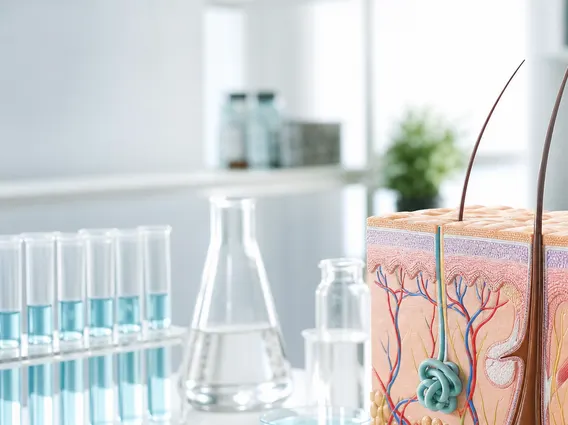
What is Dystrophic Epidermolysis Bullosa? It is a severe form of epidermolysis bullosa (EB), a group of genetic disorders that cause the skin to be extremely fragile and prone to blistering. In DEB, the blisters occur below the lamina densa in the dermal-epidermal junction, leading to significant scarring as they heal. This fragility is due to a defect in type VII collagen, a protein essential for anchoring the epidermis to the dermis, providing structural integrity to the skin. According to the National Organization for Rare Disorders (NORD), the prevalence of all forms of epidermolysis bullosa is estimated to be 1 in 50,000 live births globally, with DEB accounting for a significant portion of these cases.
Symptoms and Genetic Origins
Understanding the manifestations and underlying genetic factors is crucial for diagnosing and managing this complex condition. The severity and specific symptoms can vary widely depending on the subtype of DEB.
Recognizing Common Symptoms
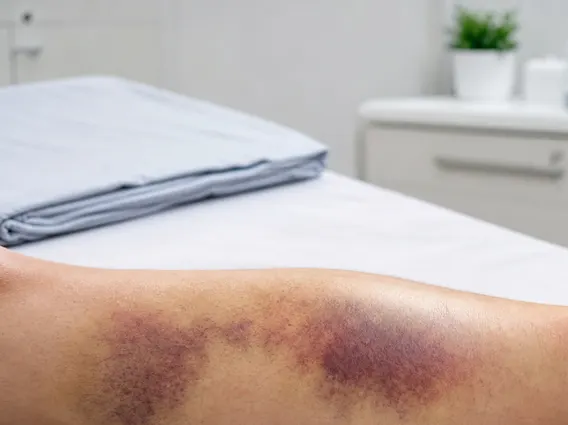
The primary dystrophic epidermolysis bullosa symptoms include recurrent blistering that can appear anywhere on the body, often in response to minimal friction or heat. These blisters frequently lead to chronic wounds and significant scarring. Other common symptoms are:
- Nail deformities: Thickened, discolored, or absent fingernails and toenails.
- Milia: Small, white cysts that form on healing skin.
- Dental issues: Enamel hypoplasia and increased risk of cavities.
- Swallowing difficulties: Due to blistering and scarring in the esophagus, which can lead to strictures.
- Fusion of digits: In severe cases, extensive scarring can cause fingers and toes to fuse together, forming “mitten deformities.”
- Anemia and malnutrition: Resulting from chronic inflammation, blood loss from wounds, and difficulties with eating.
Genetic Basis of DEB
The fundamental causes of dystrophic epidermolysis bullosa are mutations in the COL7A1 gene. This gene provides instructions for making type VII collagen, a crucial protein that forms anchoring fibrils. These fibrils are responsible for firmly attaching the epidermis (outer layer of skin) to the underlying dermis (inner layer of skin). When the COL7A1 gene is mutated, the collagen VII protein is either absent, reduced, or dysfunctional, leading to a weakened dermal-epidermal junction. This structural weakness means the skin layers easily separate, even with slight mechanical stress, resulting in the characteristic blistering and fragility.
Management and Treatment Options
While there is currently no definitive cure for Dystrophic Epidermolysis Bullosa, management focuses on alleviating symptoms, preventing complications, and improving the patient’s quality of life. This involves a multidisciplinary approach tailored to the individual’s needs.
Current Medical Interventions
Current dystrophic epidermolysis bullosa treatment strategies primarily revolve around meticulous wound care, pain management, and nutritional support. Regular wound dressing changes are essential to protect fragile skin, prevent infection, and promote healing. Specialized dressings are often used to minimize trauma during removal. Pain is managed with appropriate analgesics, ranging from over-the-counter options to prescription medications, depending on severity. For severe cases, surgical interventions may be necessary to release contractures, separate fused digits, or address esophageal strictures. Emerging therapies, such as gene therapy, cell-based therapies, and protein replacement therapies, are under active investigation and show promise for future treatment options, aiming to correct the underlying genetic defect or supplement the missing protein.
Supportive Care Strategies
Supportive care is paramount in managing DEB, focusing on preventing complications and maintaining overall health. Nutritional support is critical, as chronic blistering and inflammation increase metabolic demands, while oral and esophageal blistering can impede eating. High-calorie, nutrient-dense diets, often supplemented with vitamins and minerals, are common, and in some cases, feeding tubes may be required. Infection prevention is also a key component, involving careful wound hygiene and prompt treatment of any bacterial or fungal infections. Physical and occupational therapy helps maintain mobility and function, preventing contractures and improving daily living activities. Psychological support is also vital for patients and their families, helping them cope with the chronic nature and challenges of the disease.