
Breastfeeding After Cancer Treatment
For many cancer survivors, the desire to breastfeed after treatment is a deeply personal and often complex decision. This article provides comprehensive guidance on the considerations, safety, and support available for individuals navigating breastfeeding after cancer.
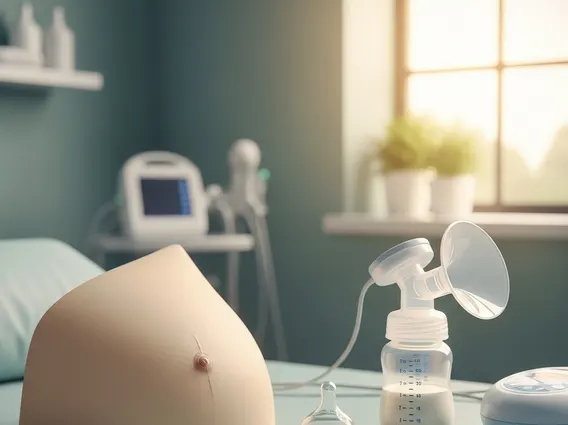
Key Takeaways
- Always consult your oncology and lactation teams before attempting to breastfeed post-cancer treatment.
- The safety and feasibility of breastfeeding depend heavily on your specific cancer type, treatment regimen, and the medications you are currently taking.
- Active chemotherapy generally contraindicates breastfeeding, while radiation therapy primarily affects milk production in the treated breast.
- Be prepared for potential challenges such as reduced milk supply, body image concerns, and fatigue, and seek specialized support.
- Connecting with specialized lactation consultants and peer support groups is crucial for a successful and supported breastfeeding journey.
Breastfeeding After Cancer: Initial Considerations
The journey to breastfeeding after cancer treatment is unique for each individual, shaped by their specific diagnosis, treatment history, and personal circumstances. It requires careful planning and a thorough understanding of potential implications.
Consulting Your Oncology & Lactation Teams
The first and most critical step for anyone considering breastfeeding after cancer is to establish open communication with their healthcare providers. This multidisciplinary approach should involve your oncologist, surgeon, radiation oncologist, and a specialized lactation consultant. Your medical team can assess your overall health, the status of your cancer, and the safety of any ongoing medications. A lactation consultant, especially one experienced with oncology patients, can provide invaluable guidance for breastfeeding post cancer, helping to evaluate breast health, milk production potential, and strategies for managing challenges.
Understanding Your Specific Cancer & Treatment
The feasibility and safety of breastfeeding are profoundly influenced by the type of cancer you had and the treatments you received. For instance, breast cancer treatments, including surgery (lumpectomy, mastectomy), radiation, chemotherapy, and hormone therapy, can directly affect the mammary glands and milk ducts. Other cancers treated with systemic therapies also require careful consideration due to potential drug transfer into breast milk. Understanding the impact of cancer treatment on breastfeeding is essential, as different therapies carry varying risks and recovery timelines. Your team will help you understand how your specific history affects your ability to breastfeed safely and effectively.
Safety of Breastfeeding Post-Treatment
A primary concern for cancer survivors is the safety of breastfeeding for both mother and baby. This involves evaluating the effects of past treatments and the potential transfer of current medications into breast milk.
Radiation Therapy and Breast Safety
Many individuals wonder, Is breastfeeding safe after radiation? Generally, radiation therapy to the breast primarily affects the treated breast tissue. It can damage milk ducts and glands, potentially leading to reduced or absent milk production in the irradiated breast. The milk produced by the treated breast, if any, is not considered harmful to the baby. However, the untreated breast is typically unaffected and can produce milk normally. Therefore, many mothers can successfully breastfeed exclusively from the unaffected breast or supplement if needed. It is crucial to discuss the specifics of your radiation treatment and its potential long-term effects with your healthcare team.
Evaluating Medication Transfer Risks
One of the most significant risks of breastfeeding after cancer relates to medication transfer into breast milk. While many medications are safe during lactation, certain cancer-related drugs, such as some targeted therapies, immunotherapy agents, and hormone therapies (e.g., tamoxifen, aromatase inhibitors), are contraindicated due to their potential to harm the infant. These drugs can pass into breast milk and pose risks of adverse effects on the baby’s development or health. It is imperative to review every medication you are taking, including over-the-counter drugs and supplements, with your doctor or a specialized lactation consultant to determine its safety profile for breastfeeding. Resources like LactMed can provide evidence-based information on drug safety during lactation.
Chemotherapy’s Impact on Breastfeeding
Chemotherapy is a systemic treatment that affects rapidly dividing cells throughout the body, including those involved in milk production, and can transfer into breast milk.
Resuming Breastfeeding After Chemo
A common question is, Can I breastfeed after chemotherapy? During active chemotherapy, breastfeeding is generally not recommended due to the risk of chemotherapy drugs transferring into breast milk and potentially harming the infant. The timing for resuming breastfeeding after chemotherapy varies significantly depending on the specific drugs used, their half-lives, and your individual treatment plan. Typically, a waiting period is required after the last dose of chemotherapy to ensure the drugs have cleared your system. This period can range from a few days to several weeks or even months. Your oncologist will provide precise guidance based on the specific agents you received, ensuring the safety of your baby.
Monitoring Milk Supply and Quality
Even after chemotherapy drugs have cleared the system, the treatment can have a lasting impact of cancer treatment on breastfeeding. Chemotherapy can affect the mammary glands, potentially leading to a reduced milk supply or changes in milk composition. Some women may experience a complete cessation of lactation, while others may find their supply significantly diminished. Monitoring your milk supply closely and working with a lactation consultant can help identify any issues. Strategies such as frequent pumping, skin-to-skin contact, and ensuring adequate hydration and nutrition can help optimize milk production. In some cases, galactagogues (medications to increase milk supply) might be considered under strict medical supervision.
Managing Physical & Emotional Changes
Beyond the medical considerations, cancer treatment can bring about significant physical and emotional changes that impact the breastfeeding experience.
Addressing Supply Challenges
Many cancer survivors face challenges with milk supply, especially in the breast that underwent surgery or radiation. Scar tissue from surgery can impede milk flow, and radiation can damage milk-producing tissue. This can lead to asymmetry in breast size or milk production, which can be frustrating. Strategies to manage supply challenges include:
- Frequent Pumping: Regular and effective pumping can help stimulate milk production and maintain supply.
- Nursing on Demand: Allowing the baby to feed whenever they show hunger cues can help regulate supply based on demand.
- Lactation Aids: Using supplemental nursing systems or consulting about galactagogues with a healthcare provider may be beneficial.
- Body Positioning: Experimenting with different feeding positions can help optimize milk transfer, especially if one breast has reduced output.
A specialized lactation consultant can offer tailored guidance for breastfeeding post cancer to address these specific issues.
Coping with Body Image and Fatigue
Cancer treatment often leaves visible and invisible scars, impacting body image and self-esteem. Changes to the breasts from surgery or radiation can make breastfeeding feel different or challenging emotionally. Furthermore, chronic fatigue, a common side effect of cancer treatment and survivorship, can make the demands of breastfeeding overwhelming. It is crucial to acknowledge these feelings and seek support. Prioritizing rest, delegating tasks, and practicing self-compassion are vital. Connecting with mental health professionals or support groups can provide a safe space to process these emotions and develop coping strategies, ensuring a more positive breastfeeding experience.
Support & Resources for Cancer Survivors
Navigating breastfeeding after cancer therapy is a journey best undertaken with a strong support system and access to specialized resources.
Finding Specialized Lactation Consultants
Standard lactation consultants may not have extensive experience with the unique challenges faced by cancer survivors. Seeking out a consultant who specializes in oncology or high-risk lactation can make a significant difference. These professionals are knowledgeable about the impact of cancer treatment on breastfeeding, medication safety, and strategies for managing specific issues like low supply due to radiation or surgery. They can provide individualized care plans, practical advice, and emotional support, empowering you to achieve your breastfeeding goals safely.
Connecting with Peer Support Groups
The emotional and practical aspects of breastfeeding after cancer can be isolating. Connecting with other breastfeeding cancer survivors through peer support groups can provide invaluable comfort and understanding. Sharing experiences, challenges, and successes with others who have walked a similar path can reduce feelings of isolation and provide practical tips. Organizations focused on cancer survivorship or breastfeeding support often host such groups, both online and in person. These communities offer a safe space to discuss concerns, celebrate milestones, and receive encouragement from those who truly understand.
Frequently Asked Questions
How long after chemotherapy can I start breastfeeding?
The waiting period to resume breastfeeding after chemotherapy varies significantly. It depends on the specific chemotherapy drugs used, their half-lives, and your individual treatment plan. Generally, breastfeeding is contraindicated during active treatment due to the risk of drug transfer to the infant. Your oncologist will provide precise guidance, which can range from a few days to several weeks or months after your last dose, ensuring the drugs have safely cleared your system.
Does radiation therapy affect milk production in the treated breast?
Yes, radiation therapy to the breast can significantly impact milk production in the treated breast. Radiation can damage the milk ducts and glands, potentially leading to reduced or absent milk supply in that breast. While the milk produced is not harmful, the quantity may be insufficient. The untreated breast, however, is typically unaffected and can produce milk normally, allowing many mothers to breastfeed successfully, often exclusively from the unaffected side.
What are the main risks to consider when breastfeeding after cancer treatment?
The primary risks of breastfeeding after cancer treatment involve the potential transfer of certain cancer-related medications into breast milk, which could harm the infant. Additionally, past treatments like surgery or radiation can lead to reduced milk supply, pain, or changes in breast sensation. It’s crucial to consult your oncology and lactation teams to assess medication safety, evaluate breast health, and develop a personalized plan to mitigate these potential challenges.



