
Causes of Ascites in Cancer Patients
Ascites, the accumulation of fluid within the abdominal cavity, is a significant and often distressing complication that arises in individuals battling advanced cancer. Understanding the causes of ascites in cancer patients is paramount for effective clinical management and improving their overall quality of life.
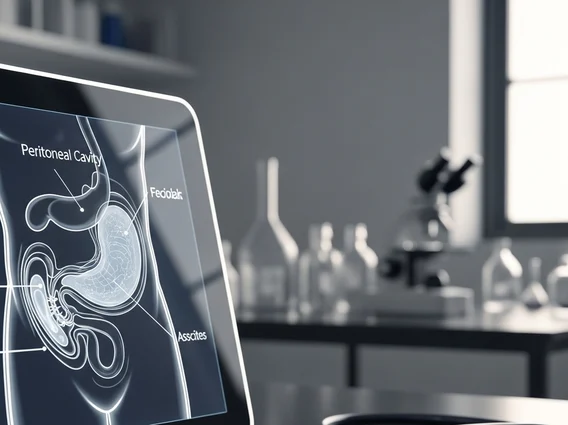
Key Takeaways
- Direct tumor spread to the peritoneum (peritoneal carcinomatosis) is a primary driver of malignant ascites causes.
- Liver involvement, such as extensive metastases or exacerbated cirrhosis, significantly contributes to fluid in abdomen cancer causes.
- Systemic factors like widespread inflammation and low albumin levels also play a crucial role in ascites development in cancer.
- Certain cancer treatments, including specific chemotherapies and radiation, can indirectly lead to fluid accumulation.
Direct Tumor Involvement: Malignant Ascites
One of the most common and direct reasons why do cancer patients get ascites is the direct involvement of tumor cells within the abdominal cavity. This mechanism is often referred to as malignant ascites, characterized by the presence of cancer cells in the accumulated fluid.
Peritoneal Carcinomatosis
Peritoneal carcinomatosis occurs when cancer cells spread from a primary tumor to the peritoneum, the membrane lining the abdominal cavity and covering the abdominal organs. These metastatic cells can cause inflammation, leading to increased permeability of the peritoneal capillaries and an overproduction of fluid. Simultaneously, the cancer cells can block the tiny pores (stomata) responsible for reabsorbing peritoneal fluid, creating an imbalance where fluid accumulates faster than it can be removed. Cancers frequently associated with peritoneal carcinomatosis include ovarian, gastric, colorectal, pancreatic, and lung cancers. According to clinical observations, peritoneal carcinomatosis is a leading factor in malignant ascites causes, particularly in advanced stages of these cancers.
Lymphatic Obstruction
Tumors, especially those located in the abdomen or pelvis, can directly compress or invade lymphatic vessels and lymph nodes. The lymphatic system is crucial for draining excess fluid and proteins from tissues. When these vessels become obstructed, the normal flow of lymphatic fluid is impeded, leading to its accumulation in the abdominal cavity. This lymphatic blockage significantly contributes to fluid in abdomen cancer causes, as the body’s natural drainage mechanism is compromised, resulting in fluid buildup.
Liver Dysfunction & Portal Hypertension
The liver plays a vital role in maintaining fluid balance and producing essential proteins. Dysfunction of this organ, often due to cancer, can be a significant contributor to ascites development.
Hepatic Metastases
When cancer spreads to the liver, forming hepatic metastases, it can severely impair the liver’s normal functions. Extensive tumor burden in the liver can reduce its ability to synthesize albumin, a protein crucial for maintaining oncotic pressure in the blood vessels. Low albumin levels allow fluid to leak out of the capillaries into the abdominal space. Furthermore, large or numerous liver metastases can obstruct blood flow through the liver, leading to increased pressure in the portal vein system, a condition known as portal hypertension. Both reduced albumin synthesis and portal hypertension are major fluid in abdomen cancer causes.
Cirrhosis Exacerbation
Many cancer patients may have pre-existing liver conditions, such as cirrhosis, which predisposes them to ascites. The presence of cancer, particularly liver metastases or systemic inflammation, can exacerbate existing cirrhosis. This worsening of liver function further impairs albumin production and increases portal hypertension, accelerating the rate of fluid accumulation. In such cases, the cancer acts as a catalyst, intensifying the underlying liver disease and contributing to what causes fluid buildup in cancer patients.
Systemic Factors in Ascites Development
Beyond direct tumor involvement or liver dysfunction, systemic changes throughout the body due to cancer can also contribute to ascites development in cancer.
Inflammation and Capillary Leak
Cancer can induce a chronic systemic inflammatory response throughout the body. This inflammation releases various cytokines and chemical mediators that increase the permeability of capillaries, particularly those lining the peritoneum. When capillaries become “leaky,” fluid and proteins can easily escape from the bloodstream and accumulate in the abdominal cavity. This generalized increase in vascular permeability is a significant systemic factor in what causes fluid buildup in cancer patients, even in the absence of direct peritoneal involvement.
Hypoalbuminemia
Hypoalbuminemia, or abnormally low levels of albumin in the blood, is a common finding in advanced cancer patients. This can result from several factors, including malnutrition (cachexia), impaired liver synthesis due to metastases or dysfunction, or protein-losing enteropathy caused by certain cancers or their treatments. Albumin is essential for maintaining oncotic pressure, which helps keep fluid within the blood vessels. When albumin levels drop significantly, fluid shifts from the intravascular space into the interstitial spaces, including the abdominal cavity, directly contributing to ascites formation.
Why Cancer Patients Get Ascites: Treatment Factors
While cancer treatments are designed to combat the disease, some therapies can, in certain circumstances, contribute to ascites development in cancer as a side effect or complication.
Chemotherapy Side Effects
Certain chemotherapeutic agents can have systemic effects that indirectly lead to fluid retention and ascites. Some drugs can cause organ damage, such as cardiotoxicity leading to heart failure and subsequent fluid overload, or nephrotoxicity affecting kidney function and fluid excretion. Additionally, some chemotherapies can induce a systemic inflammatory response or cause capillary leak syndrome, where fluid leaks from blood vessels into body cavities. These side effects can explain why do cancer patients get ascites even when their primary cancer is not directly involving the peritoneum or liver.
Radiation-Induced Damage
Radiation therapy, particularly when administered to the abdominal or pelvic regions, can cause inflammation and damage to local tissues, including the peritoneum, lymphatic vessels, and surrounding organs. This radiation-induced damage can lead to fibrosis and scarring, impairing lymphatic drainage and increasing vascular permeability in the irradiated area. The resulting inflammation and compromised fluid transport mechanisms can contribute to the accumulation of fluid, presenting as ascites in cancer patients undergoing such treatments.
Frequently Asked Questions
What are the early signs of ascites in cancer patients?
Early signs of ascites often include a feeling of fullness or bloating, abdominal discomfort, and a gradual increase in abdominal girth. Patients might also experience shortness of breath due to pressure on the diaphragm, nausea, or early satiety. These symptoms can be subtle initially but tend to worsen as fluid accumulates, indicating the need for prompt medical evaluation. Recognizing these signs early can facilitate timely intervention and management.
How is malignant ascites diagnosed?
Diagnosis of malignant ascites typically involves a thorough physical examination to detect abdominal distension and fluid waves. Imaging tests like ultrasound, CT scans, or MRI can confirm the presence and extent of fluid. Paracentesis, a procedure where a sample of the ascites fluid is drawn, is crucial. This fluid is then analyzed for cancer cells, protein content, and other markers to confirm malignant ascites causes and differentiate it from other types of fluid accumulation.
Can ascites in cancer patients be treated?
Treatment for ascites in cancer patients focuses on symptom management and, where feasible, addressing the underlying cause. Options include diuretics to help reduce fluid, therapeutic paracentesis to drain large volumes of fluid for immediate relief, and sometimes shunts for long-term management. Chemotherapy or targeted therapies may be used to treat the primary cancer or peritoneal metastases, potentially reducing fluid production and significantly improving patient comfort and quality of life.



