
Natural Remedies for Anemia
Anemia, a condition characterized by a deficiency of healthy red blood cells, affects millions worldwide, leading to fatigue, weakness, and other debilitating symptoms. While medical treatment is often necessary, many individuals explore complementary natural remedies for anemia to support their recovery and improve overall well-being.
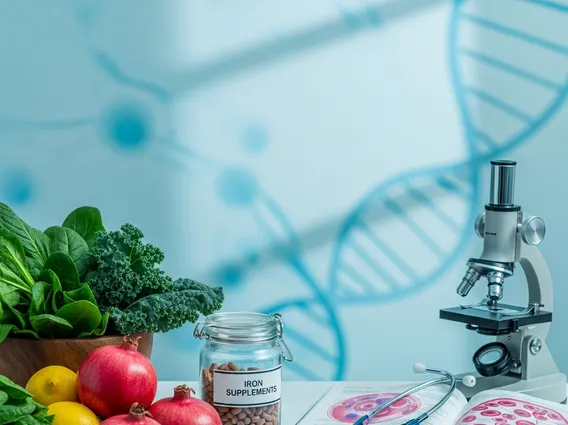
Key Takeaways
- Dietary Changes are Fundamental: Prioritize iron-rich foods, both heme and non-heme sources, and pair them with Vitamin C to enhance absorption.
- Essential Nutrients and Herbs: Ensure adequate intake of B vitamins (B12, Folate) and consider certain herbs like nettle, always under professional guidance.
- Lifestyle Matters: Incorporate gentle exercise, stay well-hydrated, and manage stress to support the body’s healing processes.
- Consult a Professional: Natural approaches are complementary; always seek a healthcare provider’s diagnosis and ongoing monitoring for anemia.
- Patience and Consistency: Improving iron levels and red blood cell health naturally requires consistent effort and time.
Understanding Anemia and Natural Approaches
Anemia is a condition where your blood lacks healthy red blood cells, which are responsible for carrying oxygen to the body’s tissues. This deficiency can lead to a range of symptoms, from mild fatigue to severe organ damage if left untreated. Globally, anemia affects an estimated 1.62 billion people, with iron deficiency being the most common cause, particularly among women and children, according to the World Health Organization (WHO).
Types and Common Causes of Anemia
While several types of anemia exist, iron-deficiency anemia is by far the most prevalent. It occurs when the body doesn’t have enough iron to produce hemoglobin, the protein in red blood cells that binds to oxygen. Common causes include:
- Inadequate Dietary Iron Intake: Not consuming enough iron-rich foods.
- Blood Loss: Chronic conditions like heavy menstrual periods, gastrointestinal bleeding, or frequent blood donations.
- Impaired Iron Absorption: Conditions like celiac disease or inflammatory bowel disease, or certain medications.
- Increased Iron Needs: Pregnancy and rapid growth spurts in children.
Other types include vitamin-deficiency anemias (e.g., B12 or folate deficiency), anemia of chronic disease, and aplastic anemia, each with distinct causes and treatments.
Why Consider Natural Treatments?
Many individuals seek best natural treatments for anemia as a complementary strategy alongside conventional medical care. These approaches often focus on addressing nutritional deficiencies, improving absorption, and supporting overall bodily functions. The appeal lies in their holistic nature, aiming to enhance well-being and potentially reduce reliance on synthetic supplements, though this should always be discussed with a doctor. Natural methods can be an integral part of how to cure anemia naturally when integrated thoughtfully into a comprehensive treatment plan, emphasizing sustained health improvements rather than quick fixes.
Dietary Strategies for Boosting Iron Levels
Diet plays a pivotal role in managing and improving anemia, especially iron-deficiency anemia. Implementing specific dietary changes for anemia can significantly impact iron levels and overall health. Focusing on nutrient-dense foods is a cornerstone of home remedies for low iron.
Iron-Rich Foods and Plant-Based Sources
To effectively combat iron deficiency, it’s crucial to include a variety of iron-rich foods in your diet. Iron comes in two primary forms: heme iron (found in animal products) and non-heme iron (found in plant-based foods). Heme iron is more readily absorbed by the body.
Here’s a table of excellent iron sources:
| Type of Iron | Food Sources | Serving Size (Approx.) | Iron Content (Approx.) |
|---|---|---|---|
| Heme Iron | Beef (lean), chicken, turkey, fish (tuna, salmon) | 3 oz cooked | 2-3 mg |
| Non-Heme Iron | Lentils, beans (kidney, black), spinach, fortified cereals, tofu, pumpkin seeds | 1 cup cooked (lentils/beans/spinach) / 1 oz (seeds) | 3-6 mg |
For those following a plant-based diet, combining various non-heme iron sources throughout the day is essential to meet daily requirements.
Enhancing Iron Absorption with Key Nutrients
Consuming iron-rich foods is only half the battle; ensuring optimal absorption is equally important. Vitamin C is a powerful enhancer of non-heme iron absorption. Pairing foods rich in non-heme iron with a source of Vitamin C can significantly boost its bioavailability.
- Vitamin C Sources: Citrus fruits (oranges, grapefruits), bell peppers, strawberries, broccoli, kiwi, tomatoes. For example, add bell peppers to a lentil soup or enjoy an orange with your fortified cereal.
- Avoid Absorption Inhibitors: Certain substances can hinder iron absorption. These include tannins (found in tea and coffee), phytates (in whole grains and legumes), and calcium. It’s advisable to consume these items separately from iron-rich meals. Soaking, sprouting, and fermenting legumes and grains can help reduce phytate content.
- Cooking in Cast Iron: Cooking acidic foods in cast iron cookware can leach small amounts of iron into your food, providing an additional dietary boost.
Herbal and Vitamin Remedies for Anemia
Beyond dietary adjustments, certain vitamins, minerals, and herbs can play a supportive role in managing anemia. These components contribute to the formation of red blood cells and the efficient use of iron within the body, forming part of comprehensive natural remedies for anemia.
Essential Vitamins and Minerals for Red Blood Cells
While iron is paramount, other nutrients are critical for healthy red blood cell production and function. Ensuring adequate intake of these can be a key part of vitamins for anemia natural treatment.
- Vitamin B12: Essential for the formation of red blood cells and neurological function. Deficiency can lead to megaloblastic anemia. Found primarily in animal products (meat, fish, dairy, eggs) and fortified foods for vegetarians/vegans.
- Folate (Vitamin B9): Works with Vitamin B12 in red blood cell production. Abundant in leafy green vegetables, legumes, fortified grains, and liver.
- Vitamin A: Plays a role in iron metabolism and mobilization from storage. Good sources include carrots, sweet potatoes, spinach, and liver.
- Copper: Necessary for iron absorption and utilization. Found in shellfish, nuts, seeds, and whole grains.
It’s crucial to consult a healthcare professional before taking iron supplements, as excessive iron can be toxic and lead to iron overload, which can damage organs.
Beneficial Herbs for Iron Support
Several herbs are traditionally used to support blood health and iron levels. These herbal remedies for iron deficiency should be used cautiously and ideally under the guidance of a qualified herbalist or healthcare provider, especially if you are on medication.
- Nettle (Urtica dioica): Often called a “blood builder,” nettle is rich in iron, Vitamin C, chlorophyll, and other minerals that support blood health. It can be consumed as a tea or added to soups.
- Dandelion (Taraxacum officinale): Both the leaves and roots of dandelion are beneficial. The leaves are a good source of iron and vitamins, while the root supports liver function, which is vital for nutrient processing and detoxification.
- Red Raspberry Leaf (Rubus idaeus): Known for its benefits in women’s health, red raspberry leaf also contains iron and other minerals, making it a supportive herb for overall vitality.
- Alfalfa (Medicago sativa): Rich in vitamins, minerals, and chlorophyll, alfalfa can help improve overall nutritional status and support blood production.
These herbs are generally considered supportive and should not replace medical treatment for diagnosed anemia. Always ensure there are no contraindications with existing health conditions or medications.
Lifestyle Adjustments for Anemia Management
Beyond diet and supplements, certain lifestyle practices can significantly contribute to managing anemia and improving overall vitality. These adjustments are integral to a holistic approach to how to cure anemia naturally, focusing on supporting the body’s innate healing capabilities.
Hydration and Gentle Exercise Tips
Maintaining proper hydration is fundamental for blood volume and circulation. Dehydration can exacerbate symptoms of fatigue and weakness often associated with anemia. Aim to drink plenty of water throughout the day, and consider herbal teas that also contribute to hydration and offer additional nutrients.
Gentle exercise, such as walking, yoga, or swimming, can improve circulation, boost energy levels, and enhance oxygen delivery to tissues. However, it’s crucial to listen to your body and avoid overexertion, especially when energy levels are low. Start with short durations and gradually increase intensity as your stamina improves. Regular, moderate physical activity can also help reduce stress, which indirectly supports overall health.
Stress Reduction and Rest Practices
Chronic stress can negatively impact various bodily functions, including digestion and nutrient absorption, which are critical for managing anemia. Implementing stress-reduction techniques can therefore be highly beneficial:
- Mindfulness and Meditation: Practices like deep breathing exercises, meditation, or mindfulness can calm the nervous system and reduce stress hormones.
- Yoga and Tai Chi: These practices combine gentle movement with breathwork, promoting relaxation and improving circulation.
- Adequate Sleep: Prioritizing 7-9 hours of quality sleep per night allows the body to repair and regenerate. Sleep deprivation can worsen fatigue and hinder recovery from anemia. Establishing a consistent sleep schedule and creating a conducive sleep environment are key.
By integrating these lifestyle adjustments, individuals can create a supportive environment for their bodies to recover and maintain better health, complementing other natural and medical treatments for anemia.
When to Consult a Healthcare Professional
While exploring natural remedies for anemia can be a valuable part of a holistic health strategy, it is paramount to understand that these approaches are complementary and do not replace professional medical diagnosis and treatment. Anemia can be a symptom of an underlying serious condition, and self-treating without professional guidance can lead to delayed diagnosis and potentially worsen health outcomes.
It is essential to consult a healthcare professional if you suspect you have anemia or experience persistent symptoms such as:
- Severe or unexplained fatigue and weakness.
- Pale skin, especially in the face, lips, and nail beds.
- Shortness of breath or chest pain.
- Dizziness or lightheadedness.
- Cold hands and feet.
- Brittle nails or hair loss.
A doctor can perform blood tests to accurately diagnose the type and severity of anemia, identify its underlying cause, and recommend the most appropriate course of action, which may include iron supplements, dietary changes, or addressing other medical conditions. Regular monitoring by a healthcare provider is crucial to track progress and adjust treatment as needed, ensuring your safety and effectiveness of any chosen remedies.
Frequently Asked Questions
Can anemia be cured naturally?
Anemia, particularly iron-deficiency anemia, can often be significantly improved and managed through natural approaches, primarily focusing on dietary changes, nutrient supplementation, and lifestyle adjustments. However, the term “cure” implies complete eradication, which might not be achievable for all types or severe cases without medical intervention. Natural remedies are best viewed as complementary strategies to support the body’s health and should always be implemented under the guidance of a healthcare professional to ensure safety and effectiveness.
How long does it take for natural remedies to work for anemia?
The time it takes for natural remedies to show noticeable effects on anemia can vary widely depending on the severity of the deficiency, the individual’s overall health, and consistency in applying the remedies. Typically, it may take several weeks to a few months to see significant improvements in iron levels and symptoms through dietary and lifestyle changes. Regular blood tests monitored by a healthcare provider are essential to track progress and adjust the approach as needed, as patience and persistence are key.
Are there any risks associated with natural treatments for anemia?
While natural treatments are generally perceived as safe, risks can exist, especially if not managed properly. Over-supplementation of certain nutrients, particularly iron, can lead to toxicity and organ damage. Herbal remedies can interact with medications or have contraindications with existing health conditions. Relying solely on natural methods without a proper diagnosis can delay essential medical treatment for severe anemia or underlying conditions. Always consult a healthcare professional before starting any new natural treatment to ensure it’s safe and appropriate for your specific situation.
Disclaimer: The information provided in this article is for educational purposes only and is not intended to be a substitute for professional medical advice, diagnosis, or treatment. Always seek the advice of your physician or other qualified health provider with any questions you may have regarding a medical condition. This content complies with general health information guidelines and does not endorse specific products or make medical claims.



