
Tobacco Use and Cancer
Tobacco use is a leading cause of preventable disease, disability, and death globally, with a profound and well-established link to various forms of cancer. Understanding this connection is crucial for public health and individual well-being.
Key Takeaways
- Tobacco and cancer are strongly linked, with tobacco use being the leading preventable cause of cancer worldwide.
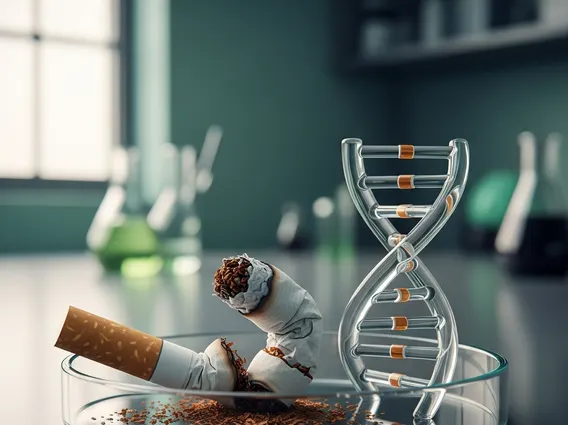
- Tobacco products contain thousands of chemicals, many of which are potent carcinogens that directly damage DNA.
- How tobacco causes cancer involves not only DNA damage but also the weakening of the body’s immune system, hindering its ability to fight cancerous cells.
- A wide range of types of cancer linked to smoking exist, extending far beyond lung cancer to include cancers of the mouth, throat, esophagus, bladder, and more.
- Quitting tobacco reduces cancer risk significantly, with benefits beginning almost immediately and increasing over time, making it the most effective strategy for preventing cancer from tobacco use.
Understanding the Link Between Tobacco and Cancer
The connection between tobacco and cancer is one of the most thoroughly researched and definitively established relationships in public health. Tobacco use, in any form, introduces a complex cocktail of harmful chemicals into the body, initiating a cascade of events that can lead to uncontrolled cell growth and tumor formation. This section explores the broad health effects of tobacco on cancer risk and identifies the key culprits within tobacco products.
Health Effects of Tobacco on Cancer Risk
The overall health effects of tobacco on cancer risk are devastating and far-reaching. Smoking is the most common method of tobacco use, but all forms, including smokeless tobacco, cigars, and pipes, carry significant risks. The duration and intensity of tobacco use are critical smoking and cancer risk factors; the longer and more heavily an individual uses tobacco, the higher their risk. Secondhand smoke exposure also significantly increases cancer risk in non-smokers. According to the World Health Organization (WHO), tobacco kills over 8 million people each year, with more than 7 million of those deaths resulting from direct tobacco use and around 1.2 million from non-smokers being exposed to second-hand smoke, many of which are cancer-related.
Key Carcinogens in Tobacco Products
The primary reason tobacco products and cancer development are so intertwined lies in the thousands of chemicals present in tobacco smoke and smokeless tobacco. Over 7,000 chemicals have been identified in tobacco smoke, and at least 70 of these are known to cause cancer in humans or animals. These substances are known as carcinogens. Key carcinogens include:
- Polycyclic Aromatic Hydrocarbons (PAHs): Such as benzo[a]pyrene, which directly damage DNA.
- Nitrosamines: Tobacco-specific nitrosamines (TSNAs) are potent carcinogens found in both smoked and smokeless tobacco.
- Aromatic Amines: Chemicals like 4-aminobiphenyl and 2-naphthylamine, linked to bladder cancer.
- Heavy Metals: Cadmium, arsenic, and lead, which can accumulate in the body and contribute to cancer development.
- Radioactive Elements: Polonium-210, which deposits in lung tissue and emits radiation.
These chemicals are central to understanding how tobacco causes cancer, as they interact with cells and their genetic material.
How Tobacco Products Drive Cancer Development
The journey from tobacco exposure to cancer development is complex, involving multiple cellular and molecular mechanisms. Tobacco products and cancer development are linked through direct cellular damage and the impairment of the body’s natural defenses. This section delves into the specific ways tobacco components initiate and promote cancer.
DNA Damage and Cell Mutation
One of the most critical aspects of how tobacco causes cancer is its ability to damage DNA. Carcinogens in tobacco smoke are absorbed into the bloodstream and travel throughout the body, where they can directly bind to DNA, forming adducts. These adducts interfere with normal DNA replication and repair processes, leading to mutations. If these mutations occur in critical genes that control cell growth (oncogenes) or suppress tumor formation (tumor suppressor genes), they can lead to uncontrolled cell proliferation. Over time, the accumulation of such genetic damage can transform healthy cells into cancerous ones. This persistent assault on the genetic code is a fundamental mechanism underlying tobacco and cancer.
Weakening the Body’s Immune System
Beyond direct DNA damage, tobacco use also compromises the body’s immune system, which plays a vital role in identifying and destroying abnormal cells, including early-stage cancer cells. The chemicals in tobacco can suppress immune responses, making it harder for the body to detect and eliminate cancerous cells before they can grow into tumors. This weakened immune surveillance allows mutated cells to escape detection and proliferate unchecked. Furthermore, chronic inflammation induced by tobacco smoke can create an environment conducive to cancer development and progression. This dual impact—direct cellular damage and impaired immune function—significantly accelerates tobacco products and cancer development.
Specific Cancers Linked to Tobacco Use
The pervasive nature of tobacco’s carcinogens means that its harmful effects are not confined to a single organ or system. While lung cancer is the most commonly associated malignancy, tobacco and cancer are linked across a broad spectrum of the body’s tissues. This section details the various types of cancer linked to smoking and other tobacco uses.
Lung, Throat, and Oral Cancers
The respiratory and upper digestive tracts are directly exposed to tobacco smoke, making them highly vulnerable. Lung cancer is overwhelmingly caused by tobacco use; the Centers for Disease Control and Prevention (CDC) reports that smoking causes about 90% of all lung cancer deaths. Beyond the lungs, tobacco is a primary cause of:
- Oral Cancer: Cancers of the mouth, tongue, gums, and lips.
- Pharyngeal Cancer: Cancers of the throat.
- Laryngeal Cancer: Cancers of the voice box.
- Esophageal Cancer: Cancers of the tube connecting the throat to the stomach.
These types of cancer linked to smoking are often aggressive and can significantly impact a person’s ability to speak, eat, and breathe. Smokeless tobacco products are particularly strongly linked to oral cancers due to direct contact with the mouth tissues.
Other Affected Organs and Systems
The carcinogens in tobacco are absorbed into the bloodstream and circulate throughout the body, leading to cancer development in organs far from the initial point of exposure. The extensive health effects of tobacco on cancer include increased risk for:
- Bladder Cancer: Carcinogens are filtered by the kidneys and concentrate in the urine, damaging bladder cells.
- Kidney Cancer: Linked to the filtration of harmful chemicals.
- Pancreatic Cancer: A particularly aggressive form of cancer with a strong link to tobacco.
- Stomach Cancer: Increased risk due to swallowed carcinogens.
- Liver Cancer: Tobacco use is a risk factor, often in conjunction with other factors like hepatitis.
- Colorectal Cancer: Cancers of the colon and rectum.
- Cervical Cancer: Tobacco chemicals can damage cervical cells and interact with HPV infection.
- Acute Myeloid Leukemia (AML): A cancer of the blood and bone marrow.
This wide array of cancers underscores the systemic damage caused by tobacco products and cancer development, affecting nearly every organ system.
Preventing Cancer by Quitting Tobacco
Given the overwhelming evidence linking tobacco and cancer, the most effective strategy for preventing cancer from tobacco use is to quit. The body has a remarkable capacity to heal, and the benefits of quitting begin almost immediately, accumulating over time to significantly reduce cancer risk.
Immediate and Long-Term Benefits of Quitting
Quitting tobacco reduces cancer risk substantially, regardless of how long or how much an individual has smoked. The benefits are both immediate and long-term:
- Within 20 minutes: Heart rate and blood pressure drop.
- Within 12 hours: Carbon monoxide level in blood drops to normal.
- Within 2-12 weeks: Circulation improves, and lung function increases.
- Within 1-9 months: Coughing and shortness of breath decrease.
- After 1 year: The risk of coronary heart disease is about half that of a smoker.
- After 5 years: Stroke risk is reduced to that of a non-smoker. The risk of cancers of the mouth, throat, esophagus, and bladder is cut in half.
- After 10 years: The risk of lung cancer falls to about half that of a smoker. The risk of cancer of the larynx and pancreas decreases.
- After 15 years: The risk of coronary heart disease and pancreatic cancer is similar to that of a non-smoker.
These timelines demonstrate that quitting tobacco reduces cancer risk progressively, allowing the body to repair much of the damage caused by tobacco exposure. It is never too late to quit and reap these life-saving benefits.
Effective Strategies for Quitting Tobacco
Preventing cancer from tobacco use through cessation is a challenging but achievable goal. Many resources and strategies can help individuals successfully quit:
- Set a Quit Date: Choose a specific day to stop using tobacco and prepare for it.
- Seek Support: Enlist the help of family, friends, and support groups. Counseling, either individual or group, can significantly increase success rates.
- Nicotine Replacement Therapy (NRT): Products like patches, gum, lozenges, inhalers, and nasal sprays can help manage nicotine withdrawal symptoms.
- Prescription Medications: Non-nicotine medications like bupropion and varenicline can reduce cravings and withdrawal symptoms.
- Avoid Triggers: Identify situations or activities that prompt tobacco use and develop strategies to avoid or cope with them.
- Healthy Lifestyle: Engage in physical activity, eat a balanced diet, and practice stress-reduction techniques to support overall well-being during the quitting process.
Combining these strategies can significantly improve the chances of successful cessation, offering a clear path towards preventing cancer from tobacco use and improving overall health.
Frequently Asked Questions
How quickly does quitting tobacco reduce cancer risk?
The benefits of quitting tobacco begin almost immediately. Within months, lung function improves, and coughing decreases. After 5 years, the risk of cancers of the mouth, throat, esophagus, and bladder is cut in half. After 10 years, the risk of lung cancer falls to about half that of a smoker. While it takes many years for risks to approach those of a non-smoker, every day without tobacco contributes to significant health improvements and a reduced likelihood of developing cancer.
What are the main chemicals in tobacco that cause cancer?
Tobacco products contain over 7,000 chemicals, with at least 70 identified as carcinogens. Key cancer-causing agents include polycyclic aromatic hydrocarbons (e.g., benzo[a]pyrene), tobacco-specific nitrosamines, aromatic amines, and heavy metals like cadmium and arsenic. These chemicals directly damage DNA, leading to mutations that can initiate and promote cancer development throughout the body, explaining how tobacco causes cancer at a molecular level.
Are all types of tobacco equally harmful in causing cancer?
While all tobacco products and cancer development are linked, the specific risks can vary. Cigarettes are the most common cause of tobacco-related cancers due to their widespread use and the inhalation of smoke. However, smokeless tobacco products significantly increase the risk of oral, esophageal, and pancreatic cancers. Cigars and pipes also carry substantial risks for oral, throat, esophageal, and lung cancers. There is no safe form of tobacco, and all types contribute to increased cancer risk.



