
Latest Research and Clinical Trials on Primary CNS Lymphoma
Primary Central Nervous System Lymphoma (PCNSL) is a rare and aggressive form of non-Hodgkin lymphoma confined to the brain, spinal cord, eyes, or leptomeninges. This article explores the dynamic landscape of primary cns lymphoma research, highlighting significant advancements and ongoing efforts to improve patient outcomes.
Key Takeaways
- Genomic studies are revealing critical mutations and pathways, enhancing our understanding of PCNSL biology and identifying potential biomarkers.
- New treatments for primary CNS lymphoma include targeted therapies like BTK inhibitors and novel immunotherapies such as CAR T-cell therapy.
- Numerous clinical trials primary CNS lymphoma are underway, evaluating new agents and combination strategies to improve efficacy and reduce toxicity.
- Treatment strategies are evolving, with efforts to optimize chemotherapy regimens and refine the role of radiation therapy.
- The future of PCNSL treatment is moving towards personalized medicine, aiming to overcome treatment resistance through tailored approaches.
Current Landscape of Primary CNS Lymphoma Research
The field of primary cns lymphoma research is rapidly evolving, driven by a deeper understanding of the disease’s molecular underpinnings. Researchers are employing advanced techniques to unravel the complexities of PCNSL, paving the way for more effective diagnostic tools and therapeutic interventions. This concerted effort is crucial, given that PCNSL accounts for approximately 2-3% of all primary brain tumors, as reported by various neurological cancer registries, emphasizing the need for specialized research.
Genomic Insights and Biomarker Discovery
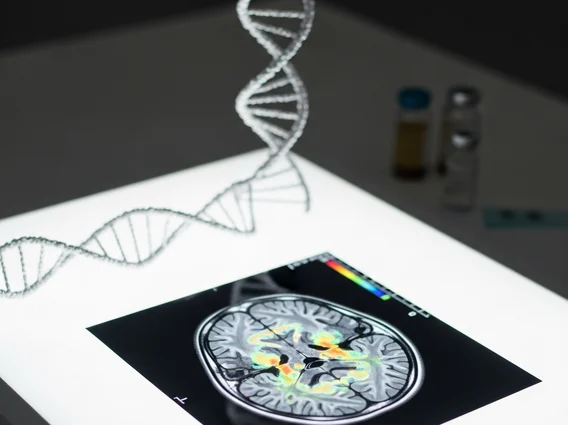
Recent genomic studies have significantly advanced our knowledge of PCNSL. Researchers have identified recurrent genetic mutations, such as those in MYD88 and CD79B, which are frequently observed in PCNSL cases. These mutations play a pivotal role in driving the proliferation and survival of lymphoma cells. Understanding these genomic alterations is critical for developing targeted therapies and for identifying reliable biomarkers that can predict disease progression or response to specific treatments. The Primary CNS lymphoma latest research in this area is focused on translating these discoveries into clinical practice.
Understanding Disease Mechanisms
Beyond identifying mutations, a key focus of current research is to understand the intricate disease mechanisms at play in PCNSL. This involves investigating the signaling pathways, such as the B-cell receptor (BCR) pathway and the NF-κB pathway, that are dysregulated in lymphoma cells. By elucidating how these pathways contribute to tumor growth and survival, scientists can pinpoint vulnerabilities that can be exploited by therapeutic agents. This fundamental research is essential for designing rational treatment strategies and for developing truly innovative new treatments for primary CNS lymphoma.
Promising New Therapies for PCNSL
The development of new treatments for primary CNS lymphoma is a high-priority area, with significant progress being made in targeted drug development and novel immunotherapy approaches. These therapies aim to offer more effective options with potentially fewer side effects compared to traditional treatments, addressing a critical need for patients.
Targeted Drug Development
Targeted therapies represent a significant leap forward in PCNSL treatment. Drugs like Bruton’s tyrosine kinase (BTK) inhibitors (e.g., ibrutinib, zanubrutinib) specifically block the B-cell receptor signaling pathway, which is often hyperactive in PCNSL cells. These inhibitors have shown promising activity in both relapsed/refractory settings and are being explored in frontline treatment regimens. Other targeted agents, such as immunomodulatory drugs and inhibitors of other key pathways, are also under investigation, reflecting the breadth of primary cns lymphoma research updates.
Novel Immunotherapy Approaches
Immunotherapy harnesses the body’s own immune system to fight cancer. In PCNSL, novel approaches include checkpoint inhibitors (e.g., PD-1 inhibitors), which block proteins that prevent immune cells from attacking cancer. Another exciting area is Chimeric Antigen Receptor (CAR) T-cell therapy, where a patient’s T-cells are genetically modified to recognize and destroy lymphoma cells. While still largely in experimental stages for PCNSL, these therapies hold immense potential for patients, especially those with aggressive or relapsed disease, contributing to recent advances in PCNSL treatment.
Ongoing Clinical Trials: Goals and Progress
Clinical trials primary CNS lymphoma are the cornerstone of advancing treatment, rigorously testing the safety and efficacy of new therapies and combinations. These trials are essential for translating laboratory discoveries into improved patient care, providing the data needed for regulatory approval and clinical adoption.
Phase II and III Study Highlights
Numerous Phase II and III studies are currently evaluating various treatment strategies for PCNSL. Phase II trials often focus on assessing the efficacy and safety of a new drug or combination in a larger group of patients, while Phase III trials compare new treatments against standard-of-care therapies to determine if they offer superior outcomes. These studies are crucial for generating robust data on primary CNS lymphoma clinical trial results, which will inform future treatment guidelines. For instance, trials are comparing high-dose chemotherapy regimens with and without stem cell rescue, or evaluating the addition of targeted agents to standard induction chemotherapy.
Combination Therapy Trials
A significant trend in primary cns lymphoma research updates is the exploration of combination therapies. Researchers are investigating how best to combine traditional chemotherapy with targeted agents or immunotherapies to achieve synergistic effects, meaning the combined effect is greater than the sum of individual treatments. The goal is to improve response rates, prolong remission, and potentially reduce the toxicity associated with single-agent high-dose regimens. These trials are vital for identifying optimal treatment sequences and combinations that can lead to more durable responses for patients with PCNSL.
Recent Advances in PCNSL Treatment Strategies
The landscape of PCNSL treatment is continuously evolving, with recent advances in PCNSL treatment focusing on refining existing modalities and integrating new therapeutic options. These strategic improvements aim to enhance efficacy while minimizing treatment-related toxicities, particularly neurocognitive side effects.
Optimizing Chemotherapy Regimens
High-dose methotrexate (HD-MTX) remains the backbone of induction therapy for PCNSL. However, primary cns lymphoma research updates are exploring ways to optimize its use, often in combination with other agents like cytarabine, rituximab, and thiotepa. Studies are investigating different dosing schedules, durations, and combinations to maximize tumor response while managing side effects. The aim is to achieve complete remission more frequently and for longer durations, potentially reducing the need for subsequent, more aggressive treatments.
Role of Radiation Therapy Updates
The role of whole-brain radiation therapy (WBRT) in PCNSL has been re-evaluated due to its association with long-term neurocognitive impairment, especially in older patients. Current strategies often reserve WBRT for specific situations, such as consolidation therapy in younger patients or for those who do not respond to chemotherapy. Recent advances in PCNSL treatment include exploring reduced-dose WBRT, proton therapy, or deferring radiation entirely in favor of chemotherapy-only consolidation, particularly in patients achieving a complete response to induction chemotherapy. This shift reflects a move towards more personalized and less toxic treatment approaches.
The Future of Primary CNS Lymphoma Research
The trajectory of primary cns lymphoma research points towards increasingly sophisticated and individualized treatment paradigms. The ultimate goal is to achieve better outcomes for all patients, particularly those with challenging disease characteristics or who experience relapse.
Personalized Medicine Approaches
The future of PCNSL treatment is undoubtedly moving towards personalized medicine. This approach involves tailoring therapies based on the unique genetic and molecular profile of an individual patient’s tumor. By performing comprehensive genomic profiling, clinicians can identify specific mutations or pathways that are driving the lymphoma, allowing for the selection of targeted drugs that are most likely to be effective. This precision medicine approach, informed by the latest primary CNS lymphoma research updates, promises to revolutionize how PCNSL is diagnosed and treated, leading to more effective and less toxic interventions.
Addressing Treatment Resistance
A significant challenge in PCNSL is the development of treatment resistance, leading to relapsed or refractory disease. Future primary cns lymphoma research will focus heavily on understanding the mechanisms by which lymphoma cells become resistant to current therapies. This includes investigating adaptive resistance pathways, tumor microenvironment interactions, and the emergence of new mutations. Developing strategies to overcome this resistance, such as novel drug combinations, sequential therapies, or innovative cellular therapies, is critical for improving long-term survival and quality of life for patients with PCNSL.
Frequently Asked Questions
What are the most promising new treatments for PCNSL?
The most promising new treatments for primary CNS lymphoma include targeted therapies, particularly Bruton’s tyrosine kinase (BTK) inhibitors, which block crucial signaling pathways in lymphoma cells. Additionally, novel immunotherapies like CAR T-cell therapy and checkpoint inhibitors are showing significant potential. These approaches aim to offer more precise and effective ways to combat PCNSL, often with a more favorable side effect profile compared to conventional chemotherapy, representing significant recent advances in PCNSL treatment.
How do clinical trials contribute to PCNSL treatment?
Clinical trials primary CNS lymphoma are indispensable for advancing treatment by rigorously evaluating the safety and efficacy of new drugs, combinations, and treatment strategies. They provide the necessary data to determine if a new therapy is better than existing options, leading to improved patient outcomes and the development of new standard-of-care treatments. The primary CNS lymphoma clinical trial results directly inform medical guidelines and ensure that patients have access to the most effective and least toxic therapies available.
What is the significance of genomic research in PCNSL?
Genomic research is profoundly significant in PCNSL as it helps identify the specific genetic mutations and molecular pathways that drive the disease. This understanding is crucial for discovering biomarkers that can aid in diagnosis, predict prognosis, and guide treatment selection. By pinpointing these molecular vulnerabilities, genomic research facilitates the development of highly targeted therapies, moving towards a personalized medicine approach that tailors treatment to each patient’s unique tumor profile, which is a key focus of primary cns lymphoma research.



